Beyond Surgery: A New Path to Knee Health
Knee pain affects a significant portion of the population — about 25% of adults experience it, often stemming from acute injuries, overuse, or chronic conditions like osteoarthritis. While surgery and medication are common responses, they are not always the first or best step.
Chiropractors take a holistic approach by addressing underlying musculoskeletal imbalances rather than just masking symptoms. This non-invasive path aims to relieve pain and improve function without the need for surgery or heavy medication.
Why Chiropractics Works for Knee Pain
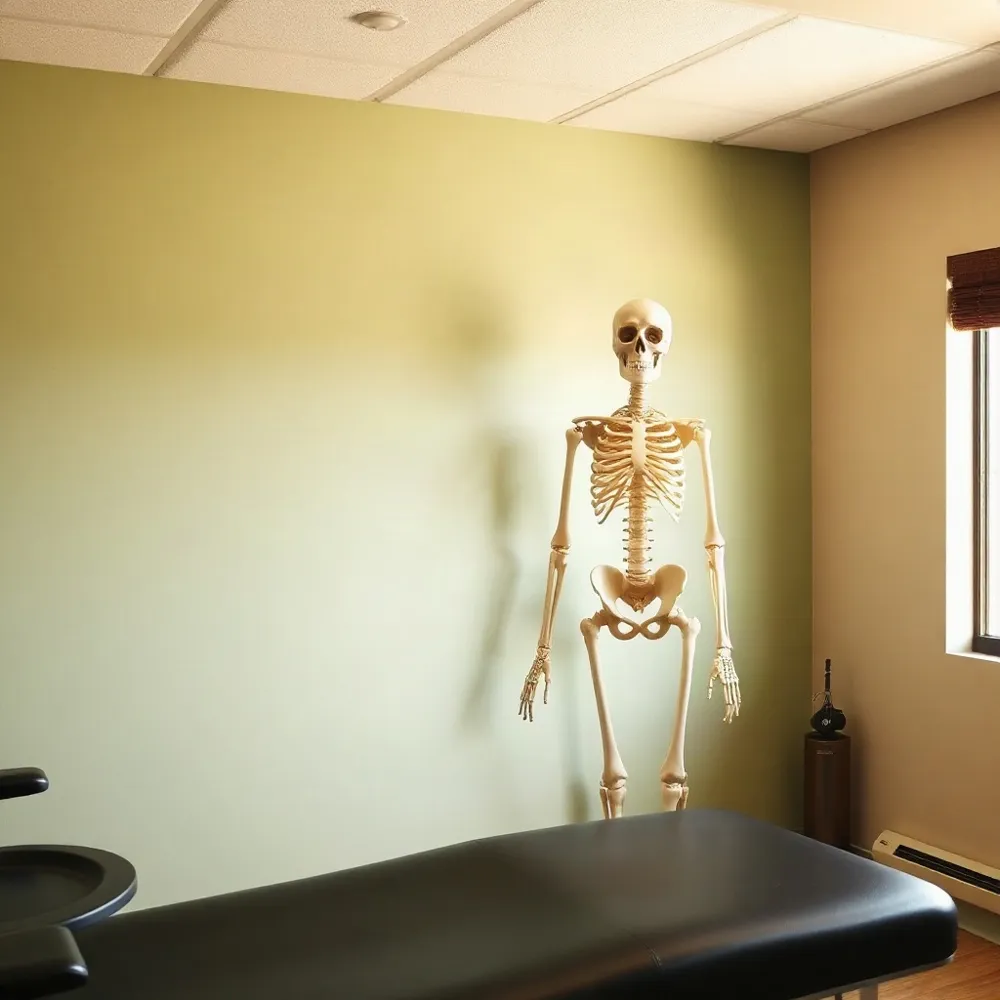 Chiropractors do not treat the knee in isolation. A thorough evaluation examines alignment of the hips, ankles, and spine, because a dysfunction anywhere along the kinetic chain can place extra stress on the knee joint. This whole-body perspective often reveals the root cause of pain that a knee-focused approach would miss.
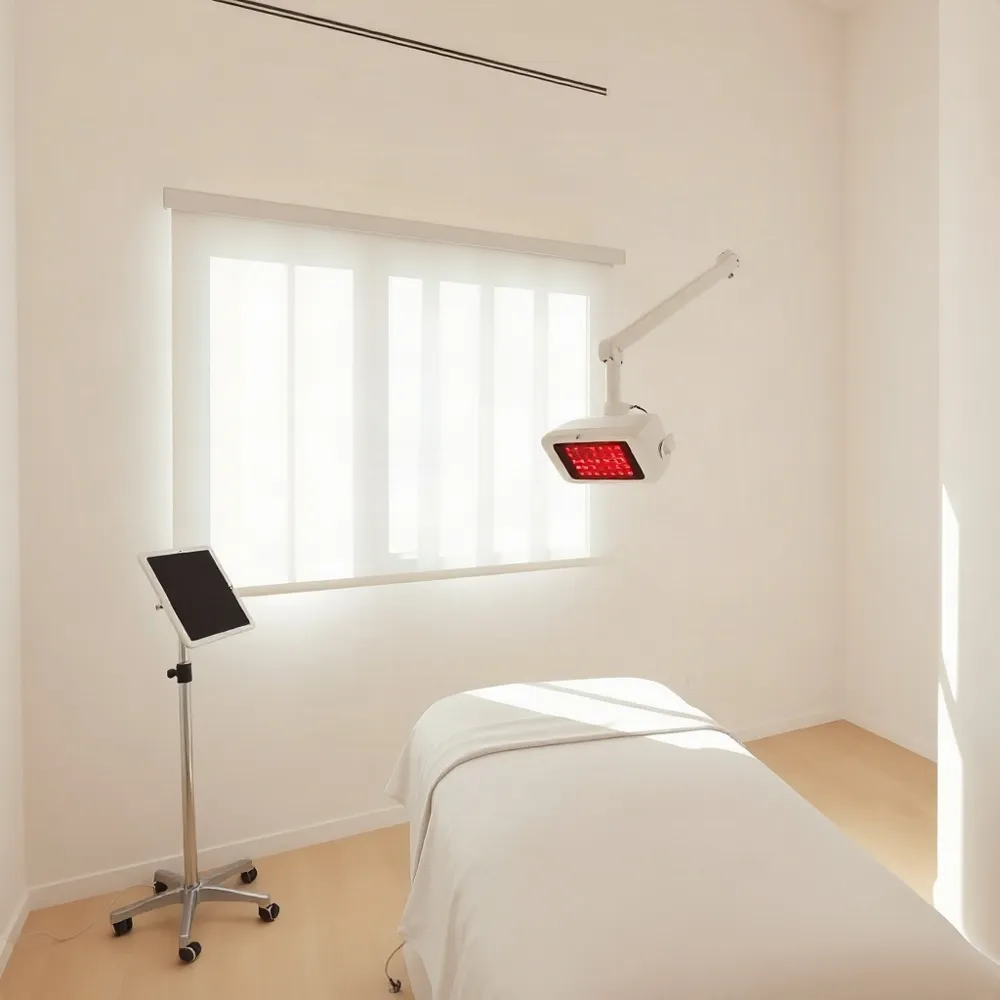
Treatment plans combine several non-invasive techniques. Class IV Laser Therapy reduces inflammation and promotes tissue healing, while Extracorporeal Shock Wave Therapy (ESWT) generates anti-inflammatory mediators and stimulates stem cells to address ligament pathologies. For patients who prefer a gentler option, the Activator Method uses a handheld instrument to deliver precise, low-force adjustments without twisting the body.
In addition to advanced therapies, chiropractors use manual adjustments to improve joint mechanics, soft-tissue work (massage, myofascial release) to relieve muscle tension, and targeted exercises to strengthen the quadriceps, hamstrings, and calves that support the knee. These methods work together to reduce inflammation, improve circulation, and restore range of motion.
Because chiropractic care is drug-free and non-invasive, it supports the body’s natural healing process without the risks of surgery or long-term medication use. At southeastchiro.com, patients receive personalized plans that address alignment, muscle balance, and lifestyle factors, offering a lasting solution for conditions like bursitis, patellar tracking issues, and osteoarthritis.
Key Strategies for Knee Pain Relief
 Gentle chiropractic adjustments restore proper knee alignment, reducing stress on the joint and surrounding tissues. Addressing alignment issues in the hips, ankles, and spine is equally important, as imbalances in those areas often contribute to knee strain.
Soft tissue therapies such as therapeutic massage and myofascial release relieve muscle tension around the knee and improve blood flow. These techniques help reduce inflammation and promote natural healing, complementing the work of adjustments.
Targeted exercises strengthen the quadriceps, hamstrings, and calves to stabilize the knee. Low-impact activities like swimming, cycling, and walking maintain mobility without excessive joint loading, while flexibility and balance training further reduce injury risk.
Lifestyle choices are just as important as in-office care. Maintaining a healthy weight reduces pressure on the knees, and supportive footwear helps keep the body aligned. Proper warm-ups before activity and pacing throughout the day can prevent overuse injuries.
Nutritional support plays a direct role in joint health. An anti-inflammatory diet rich in omega-3 fatty acids from salmon and mackerel, antioxidants from leafy greens and turmeric, and adequate hydration supports synovial fluid production and can reduce joint stiffness.
Advanced non-invasive therapies like Class IV Laser Therapy and shock wave therapy (ESWT) offer enhanced healing by reducing inflammation and stimulating tissue repair, as noted in Alternative Therapies for Joint Pain: Non-Surgical Treatments. These options can be integrated into a care plan for patients seeking deeper relief.
Southeast Chiro in Gastonia offers a range of these strategies in one setting, combining adjustments, soft tissue work, rehabilitative exercises, and nutritional guidance into a personalized plan. Patients can address both immediate symptoms and long-term joint health without resorting to surgery.
Exercises for Quick and Lasting Relief
Gentle exercises can provide quick relief and build lasting stability when knee pain is present. The goal is to move the joint without loading it excessively — this is where isometric and low-range-of-motion exercises shine. A lying knee bend, performed by slowly sliding your heel toward your glutes while lying on your back, gently maintains mobility. A static quad strengthen involves tightening your thigh muscle and pressing the back of your knee into the bed for 10 seconds, activating the key support muscle without joint movement. Supported leg raises also activate the hip flexors and quads without straining the knee.
Best Low-Impact Activities for Knee Health
To maintain function and cardiovascular fitness without aggravating the joint, low-impact activities are the safest choice. Walking on flat, even surfaces, swimming with a gentle kick, and stationary cycling with low resistance keep the knee moving through a healthy range of motion. These activities support joint lubrication and circulation while minimizing impact forces.
What to Avoid
Certain exercises place excessive compressive or rotational stress on the knee and should be avoided. High-impact activities such as running, deep squats, and forward lunges can worsen discomfort or cause further injury. Exercises performed with improper form or with too much weight also stress vulnerable knee structures. The Brown Health guide to non-surgical treatments recommends listening to your body and avoiding any movement that causes sharp or persistent pain.
What to Look for and Avoid in Care
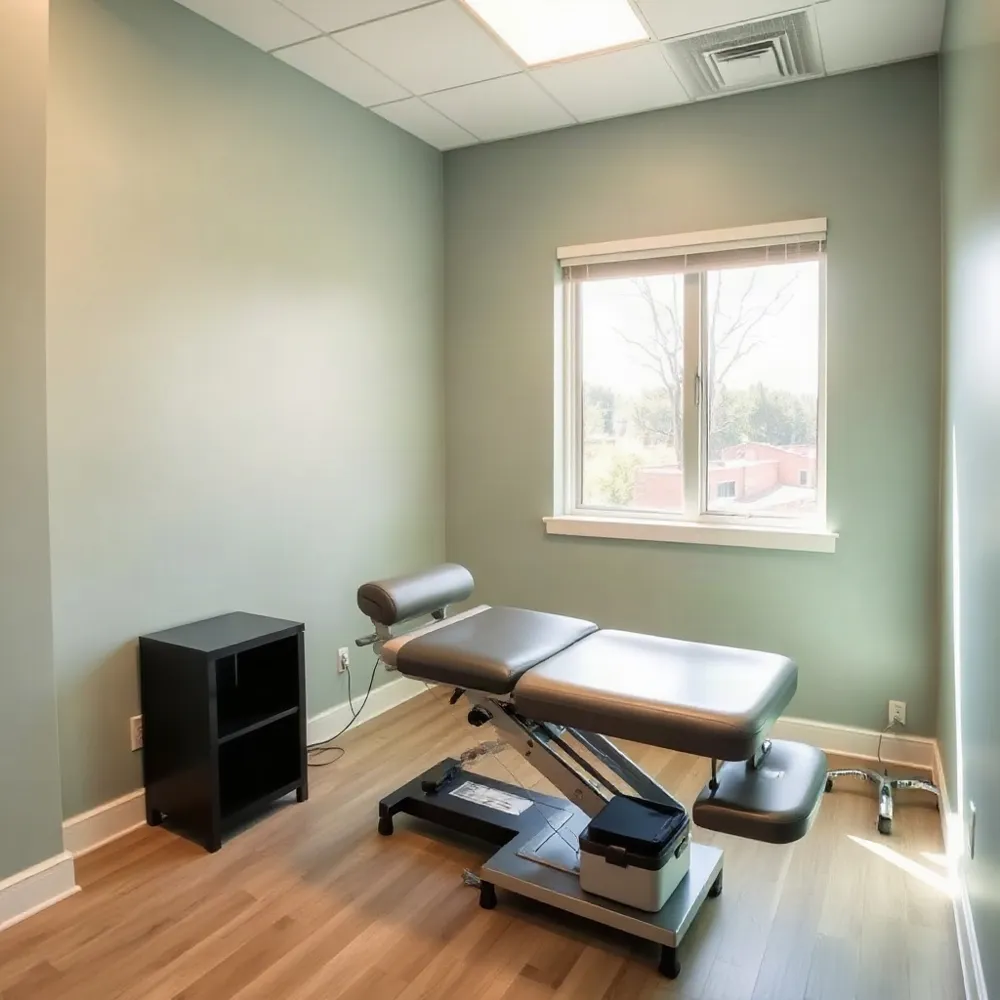 Choosing the right chiropractor is the most important step you can take for lasting knee relief. The non-invasive, holistic approach of chiropractic care proves highly effective, but it requires a practitioner who prioritizes evidence-based methods over sales or one-size-fits-all plans.
Recognizing Red Flags
A few warning signs indicate it is time to look elsewhere. Be cautious of any practitioner who makes unrealistic promises, such as claiming to cure conditions unrelated to the musculoskeletal system. A chiropractor who performs an adjustment without a thorough exam or recommends the same treatment plan for every patient is ignoring individual needs — a core component of safe care. Similarly, avoid a provider who discourages you from seeking a medical evaluation or pressures you to sign a long-term contract paid in advance. A lack of regular progress checks or a focus on maximizing repeat visits over long-term outcomes is a clear sign the care is not in your best interest.
Insurance Coverage for Chiropractic Care
Fortunately, most health insurance plans in the U.S. cover chiropractic visits. It is typically included as a standard benefit in Medicare, employer-sponsored plans, and many individual marketplace policies. Coverage often comes with some limitations, such as a cap on visits per year (commonly 12 to 30), copayments, and a deductible. It is always best to verify your specific benefits directly with your insurance provider before your first appointment to avoid surprises.
Why Some Medical Doctors Hesitate
Some medical doctors discourage chiropractic care due to historical tensions, a lack of familiarity with standard chiropractic education, and persistent concerns about the safety of high-velocity neck adjustments. A minority of practitioners who promote non-evidence-based approaches or excessively long treatment plans can reinforce this negative perception. However, many of these criticisms are outdated. Collaboration between MDs and Doctors of Chiropractic (DCs) is growing, particularly for managing back pain and knee pain, as physicians increasingly refer patients to chiropractors as part of a comprehensive care team.
Finding a Chiropractor in Gastonia, NC
If you are in the Gastonia area, you have excellent options that combine personalized, non-invasive care with a holistic approach to spinal and joint health.
Southeast Family Chiropractic offers a modern, patient-focused approach to spinal health and natural healing, providing chiropractic adjustments, laser therapy, and rehabilitative treatments that address the root cause of knee pain. Gastonia Spine & Sport also offers a comprehensive range of services including chiropractic care, corrective exercises, and massage therapy, with a focus on personalized treatment for sports injuries and back pain. The Joint Chiropractic provides affordable, walk-in care with transparent pricing and no appointment necessary. Hay Clinic of Chiropractic specializes in the gentle Activator Method, which delivers precise, low-force adjustments suited for sensitive conditions or those apprehensive about manual adjustments.
| Practice | Specialty / Approach | Key Differentiator |
|---|---|---|
| Southeast Family Chiropractic | Holistic adjustments, laser therapy, rehabilitation | Root-cause approach; spinal & joint health focus |
| Gastonia Spine & Sport | Chiropractic, corrective exercises, massage | Sports injury & back pain specialist |
| The Joint Chiropractic | Walk-in, manual & activator-assisted adjustments | No appointment needed; low-cost self-pay plans |
| Hay Clinic of Chiropractic | Activator Method (low-force instrument) | Gentle adjustments for all ages / sensitive conditions |
Supportive Therapies and Lifestyle Tips
While chiropractic adjustments address the root cause of knee pain, combining them with other supportive therapies often produces the best results. At southeastchiro.com, patients receive a comprehensive plan that may include physical therapy techniques, thermal therapies, bracing, and lifestyle guidance to accelerate healing and improve long-term joint health.
Physical therapy is one of the most effective non-surgical treatments for knee pain. A physical therapist can guide patients through targeted exercises that strengthen the muscles around the joint, improve range of motion, and reduce discomfort. When paired with chiropractic care, this combined approach helps correct biomechanical issues while building the muscular support needed to protect the knee from future strain.
Heat and Cold Therapy
Cold therapy, such as ice packs applied for 15–20 minutes, reduces swelling and numbs acute pain. Heat therapy, using warm compresses or heating pads, relaxes tight muscles and increases blood flow to the area, soothing stiffness. These simple, inexpensive methods can be used at home to manage pain between chiropractic visits.
Bracing and Assistive Devices
Using a knee or hip brace can provide extra support, stabilize the joint, and improve alignment during activity. Assistive devices like canes or walkers help offload pressure from the knee for those with difficulty walking. These tools work well alongside chiropractic care by preventing excessive stress on the joint during the healing process.
Acupuncture and Massage Therapy
Some patients benefit from complementary therapies such as acupuncture or massage therapy. These approaches can promote healing, reduce pain, and improve function by addressing soft-tissue tightness and circulation. When integrated with a chiropractic treatment plan, they target different aspects of recovery for a more complete outcome.
Lifestyle Adjustments That Protect Your Knees
Weight Management. Excess body weight increases pressure on the knee joint, worsening pain and cartilage breakdown. A healthy diet and regular low-impact activity help reduce that load.
Proper Footwear. Supportive shoes improve alignment from the ground up, reducing stress transferred to the knees. Custom orthotics may help patients with specific gait issues.
Ergonomics and Posture. Poor posture and improperly adjusted workstations can place extra pressure on the knees. Simple ergonomic adjustments help maintain proper alignment throughout the day.
Activity Pacing. Avoiding overuse is critical. Incorporate low-impact exercises like swimming or cycling, take breaks from prolonged sitting, and gradually increase activity levels to prevent re-injury.
For those wondering how to lubricate knee joints naturally, a diet rich in omega-3 fatty acids from sources like salmon and mackerel supports synovial fluid production. Staying well-hydrated and eating whole grains, green vegetables, and healthy fats like olive oil also help maintain the natural cushioning within the joint. Gentle, regular movement stimulates the release of this lubricating fluid, keeping the knee mobile without overstressing it.
Take the First Step Toward Pain-Free Living
Chiropractic care offers a holistic, non-invasive solution for knee pain by addressing root causes, not just symptoms. Many patients find lasting relief and improved mobility without surgery or heavy medication. Consult a qualified chiropractor in Gastonia, NC to explore personalized treatment options tailored to your needs. Combining chiropractic adjustments with healthy lifestyle habits, proper nutrition, and gentle exercise leads to optimal joint health and long-term well-being.