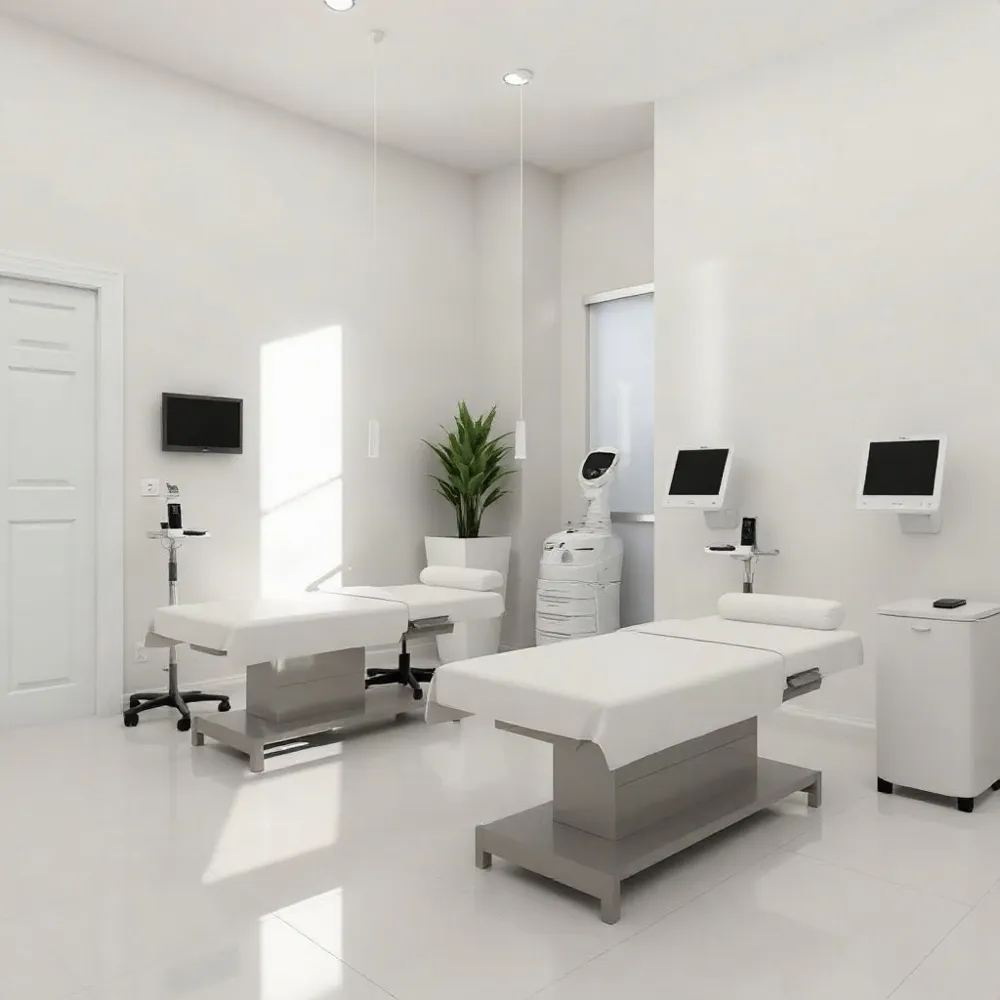
Two Therapies With Different Roles
Massage therapy and chiropractic care address different parts of musculoskeletal discomfort. Massage works with soft tissues, including muscles and tendons, while chiropractic care may focus on joint movement and spinal function. When both muscle tension and restricted movement are present, a clinician may consider them as parts of an individualized plan.
That does not mean combining the treatments is automatically more effective. A review of research on massage for nonspecific low back pain found possible short-term benefits, but noted limitations in the evidence and did not establish that massage and chiropractic care work better together (2013 review). At Southeast Family Chiropractic in Gastonia, care may include chiropractic adjustments and rehabilitative treatments, with choices shaped by a patient’s needs.
Before starting, discuss your symptoms, health history, goals, and response to any treatment with a qualified provider. The aim is to choose an approach that fits your situation, not to promise a particular result. This article offers general education and does not replace medical advice, diagnosis, or care from your healthcare professional.
How the Therapies Complement Each Other
 Massage therapy focuses on soft tissues, including muscles, tendons, and ligaments. Depending on the technique and the person, it may ease muscle tension, encourage relaxation, and support circulation. Research on massage for nonspecific low back pain suggests possible short-term benefits, but the quality and consistency of the evidence vary, and it does not establish that combining massage with chiropractic care works better for everyone (2013 umbrella review of massage research).
Chiropractic care commonly involves assessing joint function and spinal movement. Care may include controlled adjustments, mobilization, exercises, or posture guidance, depending on the person’s needs. At Southeast Family Chiropractic in Gastonia, care includes chiropractic adjustments and rehabilitative treatments, which can address movement and function as part of an individualized plan.
How can massage therapy and chiropractic care work together?
Muscle tightness and restricted joint movement can occur at the same time. When tight muscles surround an area with limited movement, soft-tissue work may help some people feel more relaxed or comfortable before an adjustment. Chiropractic care may then address joint movement, a different part of the problem. These roles can complement each other, but the best approach depends on symptoms, health history, and goals.
Southeast Family Chiropractic’s massage therapy integration guidance discusses how massage may fit into chiropractic care. A provider can help determine whether to use one therapy or both, and when to schedule them. Neither approach is right for everyone, and outcomes vary.
Choosing the Right Approach
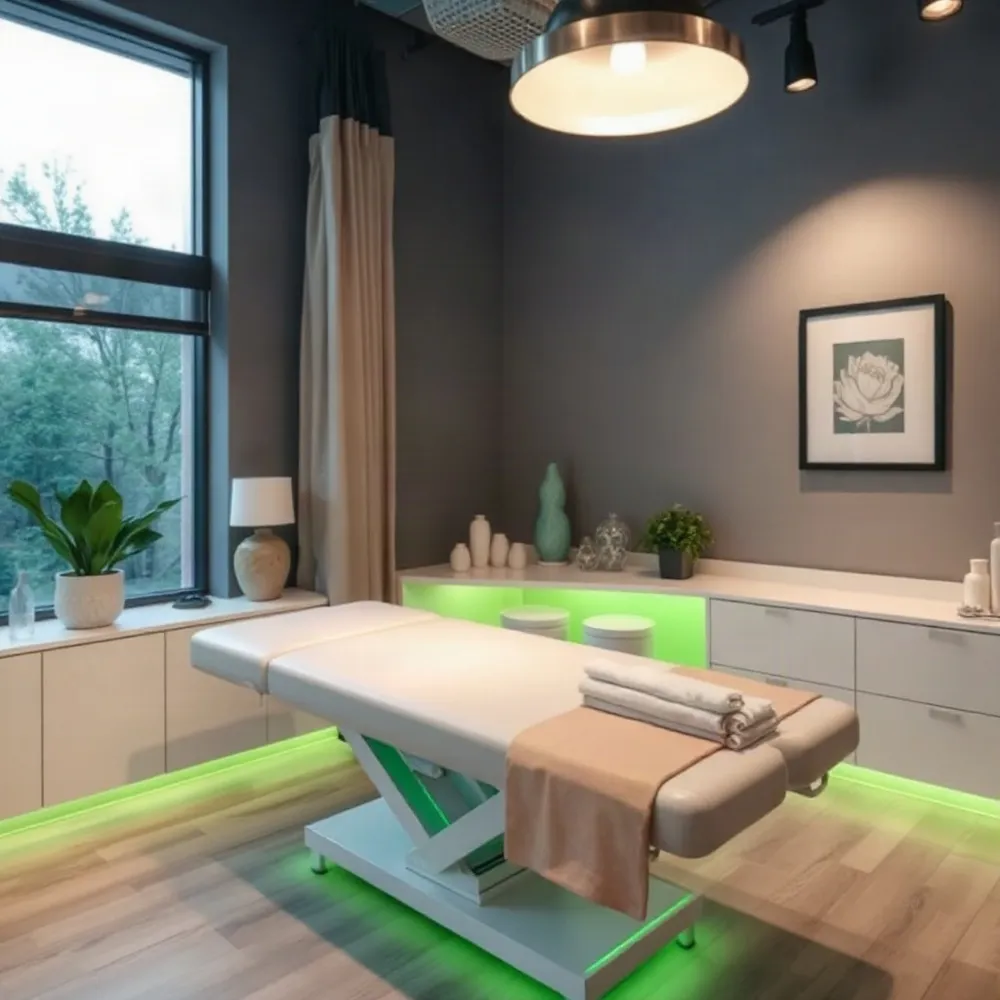 The choice between massage and a chiropractic adjustment depends on your symptoms, examination findings, health history, and goals. Neither approach is universally better, and receiving both is not necessary or appropriate for everyone.
Is it better to get a massage or a chiropractic adjustment?
Massage may suit discomfort that feels muscular, such as tension or soreness after exercise, prolonged sitting, or repetitive activity. A review of research on massage for nonspecific low back pain found possible short-term benefits, but noted limitations in the available studies and no evidence establishing long-term effectiveness beyond six months. The findings do not show that massage is the best option for every person or that it improves chiropractic outcomes when combined with adjustments. The review also highlights why treatment decisions should reflect individual needs.
A chiropractic evaluation may be worth considering when symptoms involve joint movement, back or neck pain, or limited mobility. An adjustment is not automatically necessary, however. Massage alone may not address every cause of joint pain, and the source of discomfort is not always clear from symptoms alone.
At southeastchiro.com, care includes an examination and may involve chiropractic adjustments or other rehabilitative treatments, depending on a patient’s needs. An evaluation can help clarify whether massage, chiropractic care, another approach, or referral to a different health professional is suitable. Share relevant health history and treatment goals so the plan can account for both.
Timing Massage Around an Adjustment
There is no universally correct order for massage and a chiropractic adjustment. The sequence depends on what is limiting movement, your symptoms, and your response to care.
Massage beforehand may be considered when tight muscles or protective guarding are prominent. If joint stiffness is the main limitation, a provider may recommend an adjustment first. At Southeast Family Chiropractic in Gastonia, treatment is personalized to the patient’s health and goals rather than based on a fixed sequence.
Can you get a massage after a chiropractic adjustment?
Yes, many people can have massage after an adjustment, and it may help address tension in the surrounding soft tissues. The appropriate timing and pressure depend on your care plan, symptoms, and how you feel after treatment.
Deep, targeted pressure on the same area immediately afterward may not suit everyone, particularly if an injury, inflammation, or increased soreness is involved. Your provider may suggest lighter work, a different treatment area, or waiting before focused massage. Research on massage for nonspecific low back pain suggests possible short-term relief, but it does not establish that combining massage with chiropractic care is superior to either approach alone (umbrella review of massage research.
Appointments can happen on the same day or be spaced apart. Tell both providers about any discomfort and follow their advice on timing and pressure. If pain becomes significant or worsens, check with a healthcare provider before scheduling another massage.
Pain Relief and Evidence Limits
Can massage therapy help relieve lower back pain or chronic pain? It may offer short-term relief for some people with nonspecific low back pain, including by easing muscle tension and making movement more comfortable. That improvement is not a cure, and it does not guarantee lasting relief.
A 2013 umbrella review examined nine systematic reviews of massage for adults with nonspecific low back pain. The authors found evidence suggesting possible short-term improvement in pain or disability compared with some controls, but the underlying studies had weaknesses and results varied. Comparisons with other treatments, including spinal manipulation, were mixed. The review did not establish long-term effectiveness beyond six months.
That review assessed massage as a treatment on its own, not massage combined with chiropractic care. It therefore cannot show that pairing the therapies is more effective than either approach alone. At southeastchiro.com, care is personalized around a patient’s symptoms and examination, so the purpose of each treatment can be considered rather than assuming every person needs both.
People respond differently, and research findings do not predict an individual outcome. A licensed massage therapist and a chiropractor or other healthcare professional can help assess whether massage fits your situation and how to adapt it to your needs.
Do not delay medical advice if pain is severe or worsening, or comes with weakness, numbness, or loss of bladder or bowel control. These signs call for prompt assessment, not simply another massage session.
Massage and Arthritis Discomfort
Can massage therapy relieve discomfort from arthritis? It may help some people feel less muscle tension or temporary discomfort, but the available information does not establish a specific benefit for every type of arthritis. Arthritis includes different conditions, and a response to hands-on care can vary.
Massage works with soft tissues and may support comfort, but it does not treat or reverse the underlying joint condition. It should be considered only as a possible addition to an established arthritis care plan, not a substitute for medical care or treatments recommended by a healthcare professional.
Before booking, discuss your symptoms, diagnosis, medications, and health history with your healthcare provider. A qualified massage therapist can adjust pressure and technique to suit your needs. This is especially relevant when joints are sensitive or when other health conditions may affect the safety of hands-on treatment.
At Southeast Family Chiropractic in Gastonia, care includes chiropractic and rehabilitative treatments, with an emphasis on individual needs. Readers considering massage alongside chiropractic care can review how massage therapy may be integrated into chiropractic practice and discuss whether that approach fits their circumstances. The evidence cited here does not establish that combining these therapies improves arthritis outcomes.
Assessing Persistent Muscle Knots
Can chiropractors help relieve muscle knots? A chiropractor can assess a tight or tender area alongside joint movement, activity patterns, and other possible contributors. The spot itself does not reveal what is causing the discomfort, so treatment depends on your symptoms, health history, and examination.
Care may include soft-tissue techniques or mobility guidance and, when appropriate, an adjustment. Massage or physical therapy may also be options. A review of research on massage for nonspecific low-back pain found possible short-term benefits, but study limitations make results uncertain, and the review did not establish that combining massage with chiropractic care works better than either approach alone (review of massage therapy for low-back pain.
At Southeast Family Chiropractic in Gastonia, care includes chiropractic adjustments and rehabilitative treatments, with an emphasis on individualized assessment. That can help determine whether a persistent tight area calls for hands-on care, movement guidance, another treatment, or referral.
Consider an evaluation if tightness persists, repeatedly returns, or interferes with daily activities. Share when it started, what makes it better or worse, and whether work, exercise, or a recent injury may be relevant. A clear treatment goal and follow-up help providers judge whether the plan is helping.
Seek prompt medical advice if pain is worsening or the area is accompanied by numbness, weakness, or unusual swelling, redness, or warmth. These signs may need assessment beyond routine treatment for muscle tension.
Safety, Precautions, and Communication
 Are there health conditions or circumstances in which massage therapy should be avoided? Yes. Some situations call for postponing treatment, changing the technique, or getting medical advice first. Tell the massage therapist and chiropractor about relevant health conditions, medications, allergies, pregnancy, recent injuries or surgeries, and any discomfort during care.
Massage is generally not appropriate during a fever or contagious or systemic infection, or directly over an acute injury, substantial inflammation, burns, blisters, or other damaged skin. Recent surgery or medical procedures, blood-clot concerns, severe osteoporosis, uncontrolled high blood pressure, and some medicines, including blood thinners, may also require changes or medical clearance. Anyone receiving cancer treatment should ask their oncologist whether massage is suitable. Impaired judgment or sensation due to alcohol or drugs is another reason to postpone.
A licensed, qualified massage therapist can discuss precautions and adapt pressure, positioning, or the areas treated. Share the same information with the chiropractor, and ask the providers to coordinate their techniques and timing when both therapies are part of a care plan. At Southeast Family Chiropractic in Gastonia, care may include chiropractic adjustments and rehabilitative treatments, so sharing relevant history helps providers consider the whole treatment plan.
Temporary soreness can follow massage, particularly when pressure is firm. Tell the therapist if a technique hurts, and contact a healthcare professional if pain becomes severe or worsens, or if new weakness or numbness develops. Back pain accompanied by loss of bladder or bowel control requires emergency care.
These precautions matter because responses vary, and massage research does not establish that one approach is appropriate for everyone. A review of evidence for massage in nonspecific low back pain found short-term benefits in some comparisons but noted limitations in the underlying studies and no established long-term effectiveness beyond six months (2013 review of massage therapy for nonspecific low back pain.
A Personal Plan Comes First
Massage works with muscles and other soft tissues, while chiropractic care may address restricted joint movement and spinal function. Since these approaches have different aims, combining them is not automatically better for every person.
A qualified provider can help connect your treatment to your goals, health history, and response so far. At Southeast Family Chiropractic, care may include adjustments and rehabilitative treatments, with the approach shaped around the individual rather than a generic sequence.
Discuss precautions, treatment timing, and how progress will be assessed with your care team. Research on massage for nonspecific low back pain suggests possible short-term benefit, but limitations in the studies make firm conclusions difficult, and it does not establish that combining massage and chiropractic care is superior (review of massage therapy research).
Depending on your symptoms, a plan may involve massage, chiropractic care, both, another form of care, or medical evaluation. Outcomes vary, so reassessment matters: if symptoms worsen or do not improve, discuss whether the plan should change.