
When Work Takes a Toll
Hours at a desk, repeated screen use, and a workstation that encourages leaning or reaching can leave the neck feeling stiff and sore. A low monitor, limited chair support, or staying in one position for too long may all contribute to discomfort, as Johns Hopkins Medicine explains.
Small changes can make a workday more comfortable. At Southeast Family Chiropractic in Gastonia, care may include chiropractic adjustments, rehabilitative treatments, and personalized attention to spinal health. This article covers practical ways to reduce work-related strain, along with signs that self-care may not be enough and professional assessment could help.
How Work Habits Strain the Neck
 Neck discomfort can have several causes, and work habits are only one possibility. Poor posture, long periods at a computer, repetitive or strenuous tasks, awkward sleep positions, stress-related muscle tension, injury, age-related changes, and other medical conditions may all play a part. The American Chiropractic Association’s overview of neck pain also notes that causes can vary, so workplace pain should not be assumed to have a single explanation.
When someone sits still or looks down at a screen for a long time, the head and shoulders may drift forward from a neutral position. Neck and upper-back muscles then work harder to support the head. Holding the position can fatigue and tighten those muscles, while slouching and limited movement may add strain to joints and surrounding tissues.
“Tech neck” describes discomfort associated with repeatedly looking down at a phone or another screen, or keeping the neck fixed in an awkward position. Symptoms can include aching, tightness, stiffness, reduced movement, and headaches. Discomfort may also extend into the back or arms, though symptoms differ from person to person. Harvard Health’s neck-pain guidance identifies prolonged screen use and forward-head posture as possible contributors.
At Southeast Family Chiropractic in Gastonia, care includes personalized chiropractic assessment and rehabilitative treatments, which can help evaluate discomfort rather than treating every case as a workstation problem. Persistent or worsening symptoms deserve assessment by a qualified healthcare professional; ergonomics may reduce some strain, but they cannot prevent or explain every cause of neck pain.
Build a More Supportive Workstation
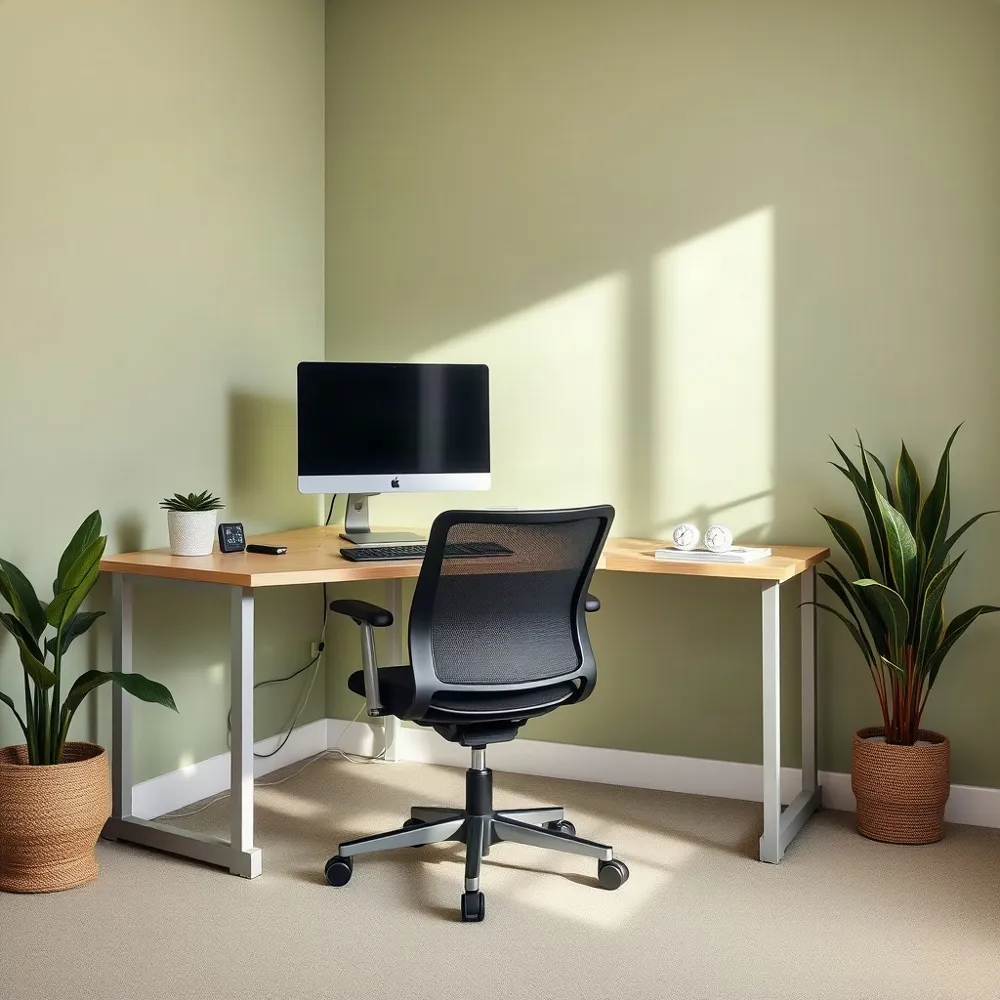 Ergonomics means arranging a work environment to be safe, comfortable, and efficient. Chair support and height, desk and screen placement, and break habits can all affect neck comfort, so adjust the setup to fit your body rather than forcing yourself into one rigid posture. Johns Hopkins Medicine’s workstation guidance also emphasizes that staying in one position for too long can cause discomfort, even with a well-arranged workspace.
Choose a chair that supports your lower back. Adjust its height so your feet rest on the floor or a footrest and your thighs sit roughly parallel to the floor. Let your shoulders relax, keep your elbows near your sides, and aim for level forearms and elbows bent close to 90 degrees while typing.
Place the monitor directly ahead, about an arm’s length away, with its top near eye level. Keep the keyboard in front of you and the mouse within easy reach. Move frequently used items closer, leave space for your legs, and adjust lighting or text size if you catch yourself squinting, leaning, or craning your neck.
A desk or table with a supportive chair is generally a better choice for extended work than a bed, armchair, or sofa. Southeast Family Chiropractic’s ergonomic tips for desk workers also discuss workstation adjustments and posture. Aim for a comfortable, neutral position, then change positions and take brief movement breaks rather than trying to hold any posture all day.
Move Often and Gently
 Even a carefully arranged workstation cannot remove the strain of staying in one position for too long. Johns Hopkins Medicine recommends getting up about every 30 minutes, while other guidance suggests changing position every 30 minutes to an hour. A brief walk, a few minutes of standing, or a stretch can help interrupt long periods of stillness. Johns Hopkins Medicine’s workplace guidance also notes that alternating between sitting and standing can make position changes easier, but a standing desk is not a substitute for regular movement.
When standing, keep your posture comfortable and wear supportive shoes. For a gentle movement break, slowly turn your head from side to side, tilt each ear toward its shoulder, or lower your chin toward your chest. You can also roll your shoulders or open your arms across your chest and return them to your sides. Try a few repetitions within a comfortable range, following the gentle movement guidance from Harvard Health.
Ease off if a movement causes sharp or worsening pain, or brings on new symptoms. Exercise choices should suit your health and circumstances. If you have a diagnosed neck condition, have recently had surgery, or are unsure which movements are appropriate, ask a healthcare professional for guidance before continuing.
Consider Sleep and Pillow Support
Daytime neck comfort can be affected by sleep posture and pillow height. A pillow that is too high or too low may strain the neck and contribute to waking with stiffness, according to Johns Hopkins Medicine. The aim is comfortable support, not a particular pillow marketed as a cure.
Back or side sleeping may help keep the head, neck, and spine aligned. On your back, choose a pillow that supports the natural curve of your neck while keeping your head relatively level. On your side, use a pillow that fills the space between your shoulder and head so your neck stays straight. Guidance on sleeping positions and neck alignment also emphasizes finding a position that supports a neutral neck.
Stomach sleeping can keep the neck turned to one side for an extended period, which may contribute to discomfort. If you wake with recurring stiffness, consider adjusting your position or pillow height and notice whether the change helps. Individual comfort matters: the right setup is one that lets you rest comfortably without forcing your head into an awkward angle.
Choose Safer Relief Than Self-Cracking
What can I do instead of cracking my own neck? Avoid forcefully twisting or pulling your head or jaw to make it pop. A popping sound does not explain what is causing discomfort, and forceful movements may aggravate sensitive muscles or joints.
Try gentle, comfortable neck movements and relaxed shoulder shrugs, stopping if a movement causes pain. A short walk, a break from screen or desk work, or gentle heat may also ease occasional discomfort. Harvard Health advises keeping neck stretches gentle and stopping or modifying any movement that hurts (neck-pain prevention tips).
If the urge to crack your neck keeps returning, or pain or restricted movement persists, seek an assessment rather than repeatedly forcing a pop. At Southeast Family Chiropractic in Gastonia, a visit may include a review of your health history, posture, range of motion, and symptoms. The clinician can discuss whether options such as gentle mobilization, exercises, or posture guidance suit your needs.
Dizziness, fainting, numbness, or sudden severe pain warrants urgent medical attention. Seek emergency care for chest pain or shortness of breath as well. The American Chiropractic Association’s guidance on neck pain describes assessment as part of deciding what care is appropriate, rather than assuming every neck problem has the same cause.
What Chiropractic Assessment May Involve
A chiropractic visit generally begins with questions about when your neck pain started, what makes it better or worse, your health history, and any past injuries. The chiropractor may then assess posture, neck movement, muscle tenderness, and signs such as strength, reflexes, or changes in sensation. The American Chiropractic Association’s overview of neck pain and chiropractic describes these elements as part of an assessment.
Imaging is not automatic. X-rays or other tests may be considered when the history or examination suggests they could help clarify the cause. The findings help determine whether chiropractic care is appropriate and guide a plan suited to the person’s needs.
Depending on the assessment and your comfort, care may include a neck adjustment, gentler mobilization, massage, rehabilitative exercises, or other supportive approaches. Some neck pain linked to posture, muscle tension, repetitive strain, or restricted movement may improve with an individualized plan, though results vary. Workstation and posture guidance can complement care, and neck-related factors may contribute to some headaches.
Treatment length depends on the cause and severity of symptoms, overall health, and response to care. Your chiropractor should discuss options and reassess progress, adjusting or stopping a plan that is not helping. Seek prompt medical evaluation for a sudden or severe headache, new weakness or numbness, vision or balance problems, or neck pain after a serious injury.
Know When to Seek Medical Care
Mild neck strain may ease with time and sensible self-care, but changing your workstation alone is not enough when symptoms are severe, worsening, or accompanied by other concerning signs. Seek emergency care after a significant injury, or if neck pain occurs with arm or leg weakness, trouble walking, loss of bowel or bladder control, or severe pain that makes it difficult to stay still.
Get urgent medical attention for severe stiffness with fever and headache, chest pain or pressure, or pain that travels down an arm with numbness, tingling, or weakness. These symptoms need medical assessment rather than continued attempts to manage discomfort with posture changes or breaks.
Contact a healthcare professional if pain lasts for several weeks, worsens, changes, or occurs with persistent swollen glands. The University of Utah Health advises evaluation when neck or back pain persists or worsens, and Harvard Health’s guidance on neck pain also recommends assessment for persistent or severe pain and symptoms such as numbness or weakness. Seek care sooner if you are concerned about what you are experiencing.
At Southeast Family Chiropractic in Gastonia, an individualized assessment can help identify possible contributors and determine whether chiropractic care is appropriate or whether referral for medical evaluation is needed.
Make Comfort Part of the Workday
A supportive workstation and regular movement can help reduce avoidable strain, but ergonomics cannot guarantee that neck pain will resolve. Johns Hopkins Medicine recommends changing position and moving about every 30 minutes, even when the setup is comfortable (work-from-home ergonomics guidance).
Pay attention to symptoms as well as work habits. If discomfort persists, worsens, or feels concerning, seek individualized guidance from a qualified health professional rather than relying on workstation changes alone. At Southeast Family Chiropractic in Gastonia, an assessment can help consider personal health history and discuss whether chiropractic care or another option fits the circumstances.