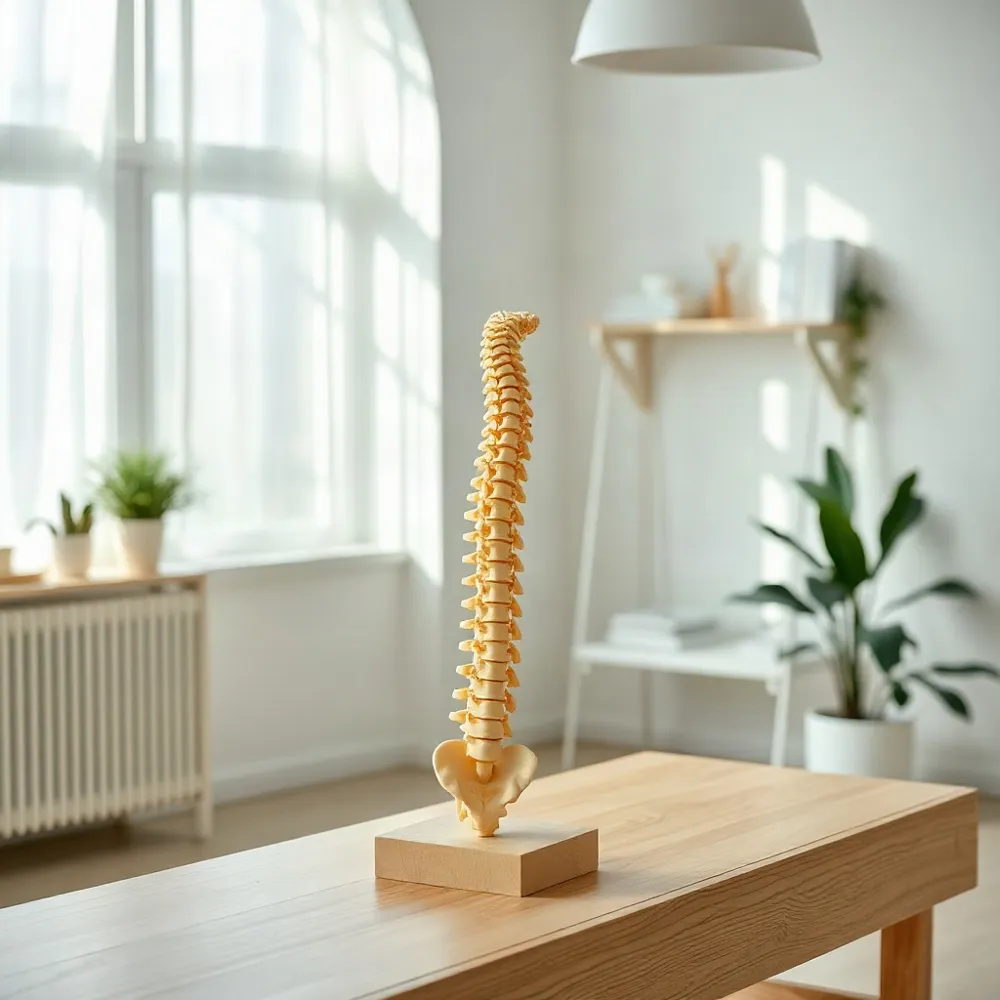
Understanding the Scope of Neck Pain and Chiropractic Wellness
Neck pain, or cervicalgia, is a widespread health challenge that affects 10% to 20% of adults, with prevalence rising alongside age, per Mayo Clinic. Because the cervical spine consists of seven small vertebrae tasked with supporting a head that averages 12 pounds, its inherent flexibility leaves it uniquely susceptible to injury, according to the ACA Today.
At Southeast Family Chiropractic, we prioritize a non-invasive, drug-free philosophy to address these issues. Unlike practices that merely mask symptoms with medication, our approach focuses on restoring proper alignment to reduce nerve pressure and alleviate muscle strain.
Achieving lasting relief begins with a comprehensive professional assessment. By conducting a detailed health history and physical examination, our team identifies the root cause of your discomfort, ensuring that every treatment plan is personalized to support your long-term spinal health and overall wellness.
Common Origins and Types of Cervicalgia
 Neck pain, or cervicalgia, represents a multifaceted health concern that clinicians categorize based on duration and symptom presentation. Acute cases typically resolve within six weeks, while chronic conditions persist beyond three months. Understanding these distinctions allows patients at Southeast Family Chiropractic to receive more targeted care compared to generalist clinics that may only offer generic advice.
Physical and mechanical stressors are the primary drivers of this discomfort. Prolonged exposure to poor ergonomics, such as hunching over screens or maintaining awkward head positions, places an imbalanced load on the cervical vertebrae. While other practices might suggest passive rest, practitioners at Southeast Family Chiropractic prioritize active, non-invasive spinal adjustments to restore proper alignment and mitigate the cumulative strain of daily repetitive motions.
Axial Pain. This type of discomfort is strictly localized to the neck, shoulders, and upper back. It is often caused by muscle inflammation or facet joint irritation resulting from poor posture or minor ligament injuries.
Radicular Pain. Also known as cervical radiculopathy, this pain radiates away from the spine into the arms or hands. It is frequently triggered by a herniated disc or bone spur that compresses or irritates nerve roots exiting the spinal column.
Degenerative Changes. Conditions like osteoarthritis and spinal stenosis represent the natural wear and tear of aging. These degenerative processes reduce the space available for nerves and can lead to the chronic stiffness and reduced mobility that many adults over 45 encounter.
Addressing Neck Pain and Headaches Through Chiropractic Adjustments
 Chronic tension and misalignments within the cervical spine frequently cause cervicogenic headaches, where pain originates in the neck and refers upward into the head. Because the cervical spine supports the weight of the head, mechanical dysfunction here often triggers secondary symptoms like stiffness in the shoulders and radiating discomfort. At southeastchiro.com, personalized treatment plans target these root causes, moving beyond simple symptom management.
Manual chiropractic adjustment techniques are highly effective at restoring normal joint mobility. Unlike some temporary solutions that mask pain, professional care at southeastchiro.com combines spinal alignment with soft tissue therapy to release muscle tension. This integrated approach ensures that patients regain proper range of motion while reducing the nerve pressure that often fuels recurring headache cycles.
Beyond mechanical correction, this non-invasive strategy supports the body's natural healing processes. Research suggests that spinal manipulation may help increase natural pain-relieving hormones such as oxytocin while reducing the physiological impact of stress. By creating a personalized, drug-free path to recovery, southeastchiro.com assists patients in reducing both the intensity and frequency of neck-related headaches.
| Technique | Targeted Issue | Clinical Benefit |
|---|---|---|
| Spinal Adjustment | Joint Misalignment | Restores mobility |
| Soft Tissue Therapy | Muscle Tension | Relieves spasms |
| Corrective Exercise | Muscle Weakness | Prevents recurrence |
Comparing Chiropractic Care and Physical Therapy Approaches
 While both chiropractic care and physical therapy aim to resolve neck pain without surgery or drugs, they often prioritize different therapeutic paths. At southeastchiro.com, the focus remains on the structural alignment of the cervical spine, utilizing precise chiropractic adjustments to restore joint function and alleviate nerve pressure. Conversely, physical therapy is typically centered on rehabilitation through structured exercise, stretching, and strength-building routines designed to restore functional mobility in the muscles and joints.
The primary distinction lies in the delivery of care. Chiropractic treatment involves hands-on manipulation to address misalignments, which can provide more immediate relief for tension or joint-related discomfort. Physical therapy programs focus on empowering patients through independent, repetitive exercises that target muscle imbalances and posture correction. Because these modalities are complementary, integrated chiropractic solutions often combine manual adjustments with rehabilitative movements, ensuring that both the structural foundation and the muscular support system are addressed.
How do chiropractors and physical therapists differ in their approach to treating neck pain?
While both professions aim to alleviate neck pain through non-invasive techniques, they prioritize different primary methods. Chiropractors focus on spinal health, utilizing hands-on adjustments to correct cervical misalignments and improve nervous system function, often providing more immediate relief for joint-related tension. In contrast, physical therapy is centered on restoring functional mobility through personalized exercise programs, stretches, and strengthening routines that patients perform independently. While a chiropractor emphasizes the relationship between the spine and overall health, a physical therapist focuses heavily on rehabilitating specific muscles and joint range of motion. Ultimately, your choice depends on whether you are seeking acute relief through spinal correction or long-term recovery through guided functional rehabilitation.
| Focus Area | Primary Technique | Goal |
|---|---|---|
| Chiropractic | Spinal Adjustment | Restore Alignment |
| Physical Therapy | Therapeutic Exercise | Improve Function |
| Integrated | Collaborative Care | Comprehensive Recovery |
Benefits and Safety Profile of Spinal Manipulation
A chiropractic adjustment, or spinal manipulation, involves a trained specialist using precise force to improve joint motion and reduce pain. During this procedure, the characteristic popping sound often heard is simply the release of gas from the joint space. At Southeast Family Chiropractic, our practitioners prioritize a personalized approach, ensuring that every patient receives a comprehensive initial assessment that reviews health history and physical function to determine the safest, most effective technique.
The primary benefits of this targeted care include restored mobility and significant improvements in neck discomfort. Beyond alleviating localized aches, chiropractic care can help reduce inflammation and lower reliance on pain medication. Many individuals report improved posture and a noticeable decrease in tension headaches after a consistent course of therapy. While results vary, many patients experience relief that lasts from a few days to several weeks, especially when combined with rehabilitative exercises or soft tissue therapies.
What are the typical benefits and potential side effects of a chiropractic neck adjustment?
A chiropractic neck adjustment is primarily used to restore proper spinal alignment, which can lead to significant improvements in neck pain, mobility, and the relief of radiating symptoms. Many patients report immediate benefits in pain reduction and increased range of motion following these targeted sessions. As with any physical treatment, some individuals may experience mild side effects, such as temporary soreness, stiffness, or slight discomfort in the treated area. These minor reactions typically subside within 24 to 48 hours as the body adjusts to the therapy. At Southeast Family Chiropractic, we prioritize patient safety through personalized assessments to ensure that care is both effective and appropriate for your specific health needs.
Recovery Expectations and Warning Signs to Observe
Recovery timelines for cervicalgia vary based on individual health history and the specific cause of discomfort. While some patients report immediate relief following a chiropractic adjustment, others may experience temporary stiffness, soreness, or fatigue as the body adapts to improved spinal alignment. These sensations are generally short-lived, often subsiding within a few days. At southeastchiro.com, our approach focuses on long-term spinal health through consistent care plans, which often combine manual adjustments with rehabilitative exercises to stabilize the cervical vertebrae.
What should I expect regarding recovery time and post-adjustment care?
Supporting your body after a session is vital for maximizing results. Patients are encouraged to stay hydrated and engage in gentle movement like light walking, rather than remaining sedentary for extended periods. It is best to avoid high-intensity exercise or heavy lifting immediately following an appointment to allow the muscles and joints time to stabilize. Unlike generalized home remedies that merely mask symptoms, the integrated chiropractic solutions offered at our practice emphasize personalized post-care routines that promote natural healing.
When should neck pain be considered a sign of a serious underlying medical condition?
Certain symptoms act as red flags requiring urgent medical evaluation. You should seek immediate professional assessment if your neck pain follows significant trauma, such as a motor vehicle accident or a fall. Additionally, watch for neurological deficits, including persistent numbness, tingling, or weakness in your arms and hands, which may indicate pressure on spinal nerves. If you notice a shock-like sensation radiating through your limbs when moving your head, or if symptoms are accompanied by high fever, loss of coordination, or bowel or bladder dysfunction, seek emergency care right away. These signs differ from typical musculoskeletal strain and require prompt diagnostic review to ensure your safety.
Taking Control of Your Spinal Health and Wellness
Prioritizing spinal health goes beyond simple symptom relief. At southeastchiro.com, we emphasize a holistic approach that integrates routine adjustments with ergonomic workplace habits to prevent future strain. By correcting postural misalignments and supporting long-term joint function, you can actively protect your quality of life. We invite you to schedule a personalized consultation at our Gastonia office to build a proactive wellness plan.