Exploring Laser Therapy
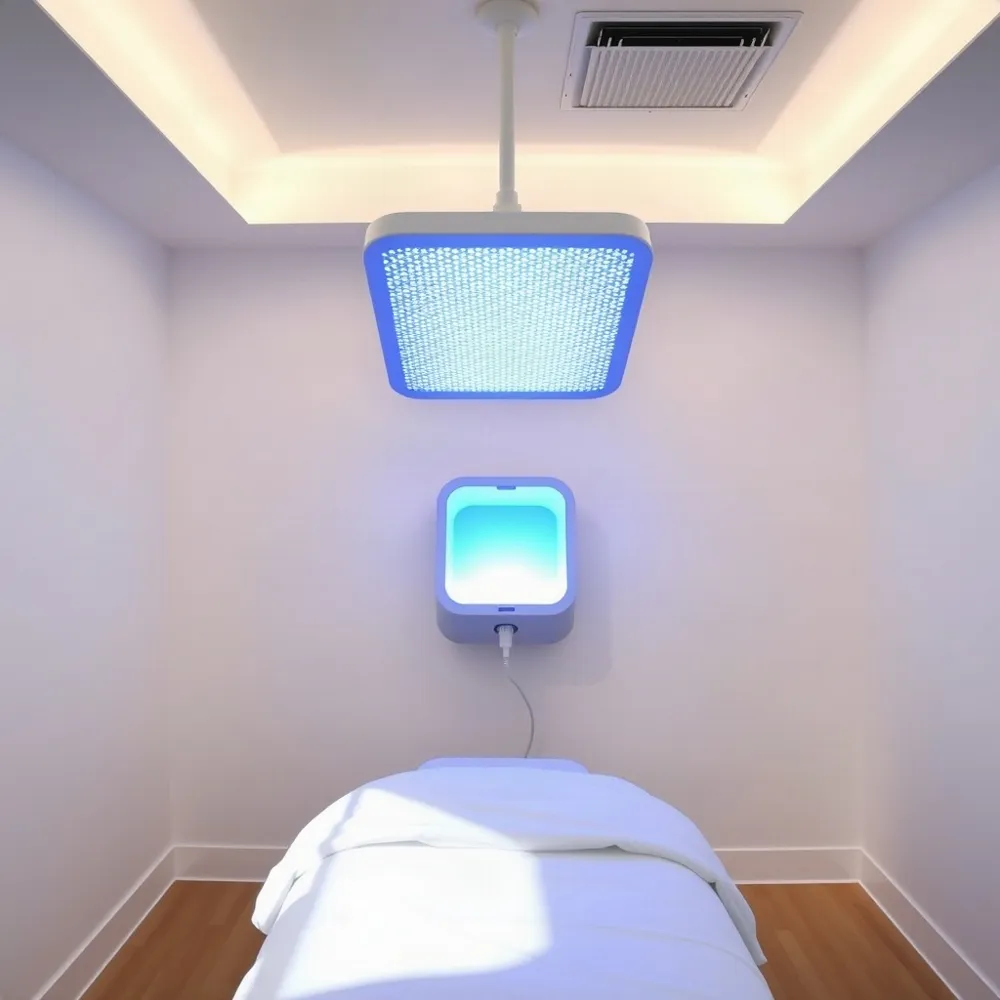
For some people, laser therapy may be one part of a personalized chiropractic care plan. Summus Medical Laser uses red and near-infrared light and is described by its manufacturer as a non-invasive, drug-free option that does not involve needles or surgery. At southeastchiro.com, care also includes chiropractic adjustments and rehabilitative treatments, so a provider can consider how a therapy fits alongside other approaches.
The manufacturer lists temporary relief of certain minor muscle and joint pain and stiffness, minor arthritis pain, and muscle spasms among the device’s intended uses. Those limited uses do not mean laser therapy treats every cause of pain or guarantees relief. A provider should consider your symptoms, health history, and goals before discussing whether it may be appropriate.
Responses vary, and the best option depends on the individual and the reason for their discomfort. Use an initial discussion with a qualified provider to ask about expected benefits, limitations, and how progress will be assessed.
How Summus Laser Therapy Works
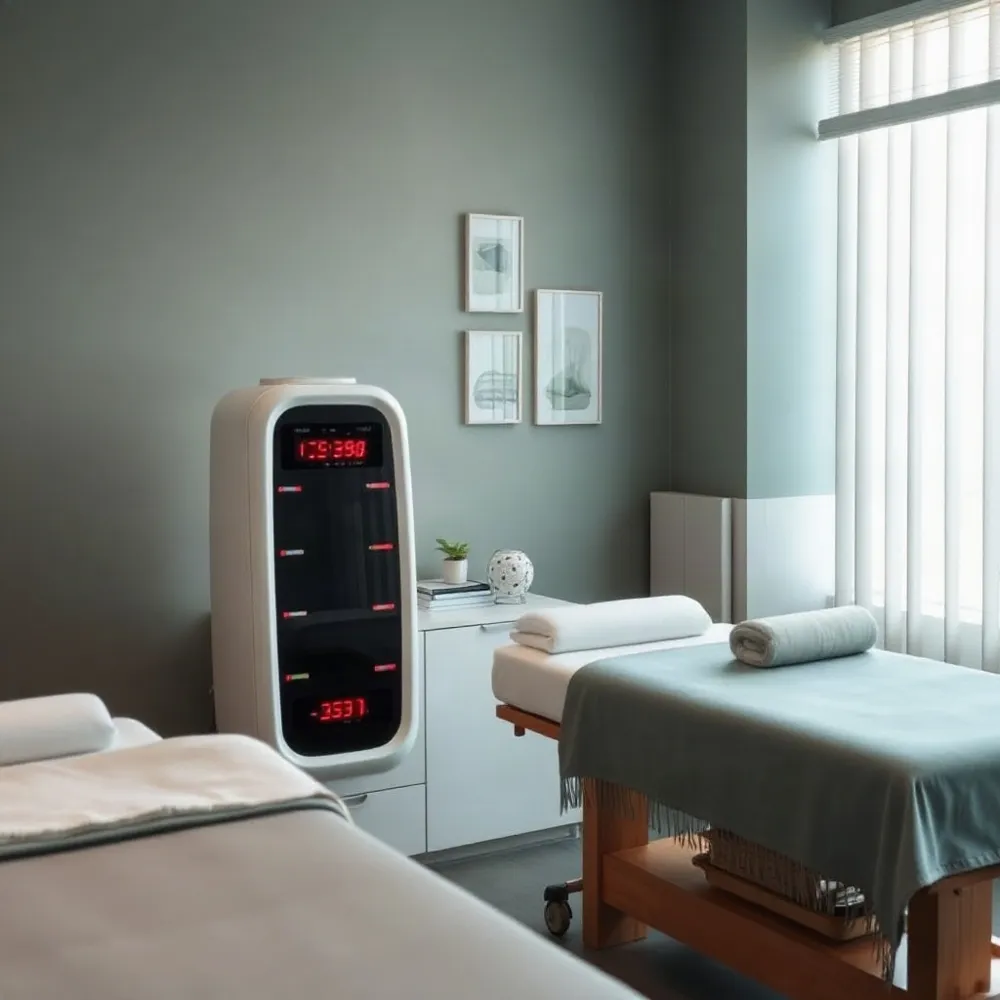 Summus Medical Laser therapy uses Class IV laser technology to deliver selected red and near-infrared wavelengths of light to a targeted area. The manufacturer describes the light as supporting the body’s natural processes, but the available information does not explain a detailed biological mechanism.
The treatment is described as non-invasive and drug-free, without needles or surgery. That description does not establish that it is suitable for every person or condition. A clinician can assess whether laser therapy fits a broader care plan, alongside any evaluation or other recommended care.
The manufacturer’s stated US intended uses are specific: temporary relief of minor muscle and joint pain and stiffness, minor arthritis pain, or muscle spasms; temporary increases in local blood circulation; and temporary muscle relaxation. These uses should be distinguished from broader promotional claims about healing or treating other conditions.
The manufacturer also states that the devices have not been cleared or approved by the FDA for clinical indications beyond those listed intended uses. At Southeast Family Chiropractic, laser therapy is one possible consideration within personalized chiropractic care, not a replacement for an individual assessment.
What Pain Relief May Look Like
The manufacturer describes Summus laser therapy as potentially providing temporary relief for certain minor muscle and joint symptoms, including stiffness, minor arthritis pain, and muscle spasms. That is a limited intended use, not a promise to cure an underlying condition or relieve every person’s pain.
Does laser therapy work for pain, and how long might it take to notice results? Some people may notice a change early, while others may need multiple sessions or may not benefit. The available information does not establish a typical timeline or outcome. At Southeast Family Chiropractic, care is presented as personalized, so a provider can discuss whether treatment fits your symptoms and set realistic expectations within a broader plan.
Improved circulation, mobility, recovery, and tissue repair are often discussed as possible benefits of laser therapy. These broader effects should be treated as potential or promotional claims, not established results for an individual. The manufacturer’s stated intended uses focus on temporary relief of specified minor symptoms, temporary increases in local blood circulation, and muscle relaxation.
Summus reports that millions of treatments have been performed since 2018. This is a company-reported usage figure, not independent evidence that the therapy works or a measure of the results patients can expect. Discuss your response with your provider and reassess the plan if the treatment does not seem helpful.
Planning Sessions With a Provider
How often should someone receive laser therapy for pain? There is no single schedule that applies to everyone. A qualified provider can recommend a frequency and course based on the person’s symptoms, needs, and response to care. At Southeast Family Chiropractic, laser therapy can be considered as one part of a personalized approach that also takes the patient’s broader health and treatment goals into account.
The manufacturer says a typical session generally lasts 5 to 15 minutes, though the treatment plan determines the time needed for an individual visit. Session length alone does not indicate how many appointments someone may need, and results can vary.
Follow the clinician’s plan rather than changing appointment frequency independently. Tell the provider if symptoms worsen, concerns arise, or improvement is not occurring as expected so the plan can be reassessed. Laser therapy is not a substitute for appropriate evaluation of persistent or worsening pain.
Insurance coverage for Class IV laser therapy may vary by insurer and treatment plan, according to the manufacturer. Patients can contact their insurer to ask whether their plan covers the service and what costs may apply.
Considering Specific Pain Concerns
 Can laser therapy help with neuropathy or a torn rotator cuff? The supplied manufacturer information does not establish that Summus devices are effective for either condition. It also does not show that laser therapy cures nerve problems or repairs a torn tendon.
The manufacturer’s stated US intended uses are limited to temporary effects such as relief of minor muscle and joint pain or stiffness, minor arthritis pain, and muscle spasms, as well as temporary increases in local circulation and muscle relaxation. Those uses do not establish effectiveness for neuropathy or a rotator cuff tear.
Neuropathy can have different causes, and shoulder pain or weakness may reflect a tear or another problem. A qualified healthcare professional can assess symptoms, review relevant health history, and explain whether laser therapy might be considered as a complementary option. At Southeast Family Chiropractic, care is framed around individualized assessment rather than assuming one approach fits every complaint.
For a suspected rotator cuff injury, a clinician can discuss appropriate next steps, which may include imaging or clinician-directed rehabilitation. Laser therapy should not replace evaluation or other recommended care. Ask about the intended goal, limits, and alternatives before starting treatment, and seek prompt medical advice for worsening symptoms or substantial loss of function.
Safety, Precautions, and Limitations
 What are the possible side effects and drawbacks of laser therapy? The manufacturer presents Summus therapy as non-invasive, but that description does not establish that treatment is risk-free or suitable for everyone. The supplied information does not provide a detailed list of side effects, so patients should ask a clinician what to expect and understand that results may vary.
The manufacturer’s information also does not give detailed contraindications or patient-selection criteria. Before treatment, disclose relevant health history and concerns, including anything related to the area being treated. A qualified clinician can discuss suitability, precautions, possible risks, expected benefits, alternatives, and any costs or time commitment.
Safe administration matters: the manufacturer emphasizes that laser therapy should be provided by trained and certified professionals. Ask who will perform the treatment and what training they have. At Southeast Family Chiropractic, care is framed around an individual’s needs, so questions about health history and treatment goals belong in the conversation before deciding whether laser therapy fits a broader chiropractic plan.
Evidence claims also need careful interpretation. Company statements and individual testimonials do not establish typical outcomes or show that every patient will benefit. FDA clearance applies only to the device’s stated intended uses, not broader claims about treating other conditions. For a balanced discussion of possible benefits and limits, see Summus Medical Laser therapy.
Who should avoid laser therapy or consult a clinician before treatment? Because the supplied manufacturer information does not identify a complete list of people who should avoid it, anyone considering treatment should consult a qualified clinician rather than assume that a non-invasive approach is appropriate for every person or condition.
Make an Informed Care Decision
Choosing care starts with a conversation about your symptoms, health history, and goals. A qualified healthcare professional can assess whether Summus Medical Laser therapy is appropriate and explain what temporary effects may be expected.
The device is intended for temporary relief of certain minor muscle and joint pain and stiffness, minor arthritis pain, and muscle spasms, as well as temporary increases in local blood circulation and muscle relaxation. It may be considered alongside other care, but suitability and results vary. At southeastchiro.com, chiropractic care is presented as personalized and may include laser therapy among other treatment options.