Foundations of Functional Wellness and Spinal Integrity
At southeastchiro.com, we view spinal health as more than just the absence of pain. It is the result of a holistic commitment to structural wellness that bridges professional clinical intervention with active patient participation. By prioritizing non-invasive, rehabilitative approaches, we allow the body to heal and maintain alignment more effectively than isolated treatments often permit.
True long-term stability is anchored in the health of your core. As noted in PMC research, the deep stabilizer muscles act as a natural brace for the spine. When these muscles are strong, they reduce the mechanical stress on vertebral segments. At southeastchiro.com, we integrate targeted movement patterns that complement our chiropractic adjustments, ensuring that the alignment gained in the clinic is supported by a foundation of strength.
This synergy between care and movement is vital because, per Better Health Victoria, stabilization and proper posture are essential for lasting musculoskeletal health. By focusing on your core, you move beyond temporary relief and cultivate a body better equipped to manage the demands of daily life while minimizing the risk of future injury.
Recognizing the Warning Signs of a Weakened Core
 A weak core manifests through several physical signs, most notably frequent lower back pain that occurs when standing, walking, or running, as the muscles fail to adequately support the spine. At southeastchiro.com, we often see patients who compensate for this instability by locking their joints, leading to further systemic stiffness. Unlike general fitness enthusiasts who might rely on high-impact movements, our clinical approach focuses on detecting specific muscular imbalances before they become chronic issues.
You may notice an inability to maintain upright posture, often resulting in slouching or forward head posture. This structural degradation is a common signal that your local stabilizers are failing to maintain the spine's neutral alignment. While generic gym-based programs often prioritize the superficial 'six-pack' muscles, southeastchiro.com emphasizes the activation of deep muscles like the transversus abdominis to reverse postural decline.
Another clear indicator of core instability is a reliance on your arms to push off chairs or thighs when transitioning to a standing position. This suggests that your hip and core stabilizers are not firing in the coordinated manner required for daily mobility. You might also struggle with balance while navigating uneven surfaces, as your neuromuscular control is likely diminished.
Over time, this lack of structural support leads to reduced physical endurance and higher injury susceptibility. Because the core musculature acts as a corset for the trunk, its failure forces the lumbar spine to absorb excessive stress during every movement. If you experience these symptoms, shifting your focus toward stabilization training rather than standard resistance exercises is essential for lasting recovery.
Clinical Pilates Versus Traditional Fitness Paradigms
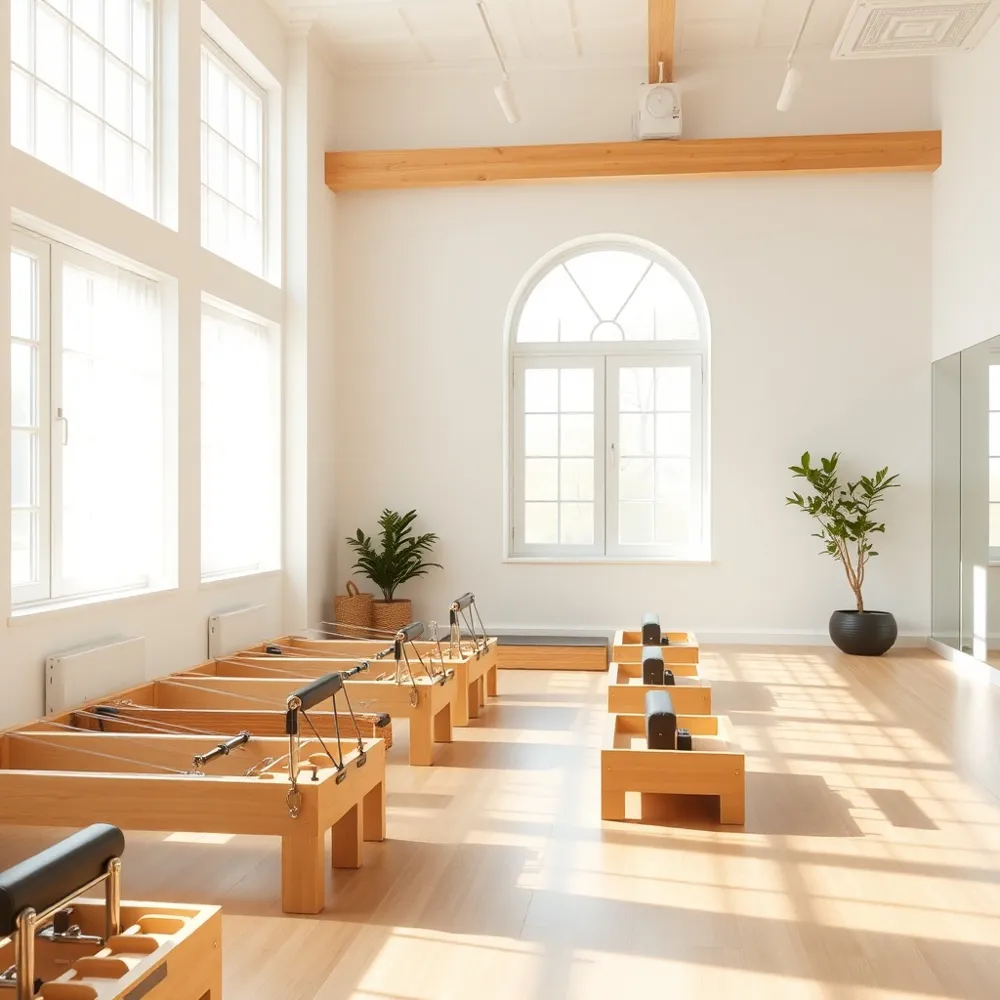
 When approaching movement as a tool for recovery, it is necessary to distinguish between generic gym sessions and Clinical Pilates. While standardized fitness classes often prioritize high repetitions to build superficial muscle, southeastchiro.com emphasizes that true spinal integrity requires a medically-informed approach. Clinical Pilates offers a more personalized experience, where exercises are specifically curated by a trained professional based on your individual needs and physical abilities, whereas general Pilates follows standardized formats.
The Powerhouse vs. Surface Muscles
The primary focus of this therapeutic method is the powerhouse, a complex system encompassing the pelvic floor, diaphragm, and deep stabilizers like the transversus abdominis. Unlike traditional fitness paradigms that target the superficial rectus abdominis, this approach activates the deep trunk muscles necessary for segment stability and motor control. By integrating these practices with regular adjustments, the clinicians at southeastchiro.com ensure that the structural alignment achieved in the office is supported by a stable, functionally strong core.
Ensuring Safety Through Supervision
Professional supervision remains vital for injury prevention and targeted rehabilitation. Incorrect execution of movements, even well-intentioned ones, can reduce the effectiveness of muscle engagement and potentially strain the lumbar spine. Per 2016 research, expert guidance ensures that patients maximize pain relief and functional capacity while avoiding the pitfalls of unguided exercise. At southeastchiro.com, we prioritize this level of precision, ensuring each patient achieves the necessary motor control to protect their spine during daily activities.
How Pilates Transforms Your Core Stability
At southeastchiro.com, we emphasize that true core stability is not merely about muscle size, but about the nervous system's ability to efficiently recruit deep stabilizing muscles before movement occurs. Unlike standard resistance training that often prioritizes global muscles for torque, Pilates acts as a form of neuromuscular retraining that targets the lumbopelvic-hip complex to maintain structural integrity.
The transversus abdominis serves as the body's natural corset, acting as the primary stabilizer for the trunk. When activated alongside the lumbar multifidus and pelvic floor, this deep abdominal engagement helps manage intra-abdominal pressure, which protects the lumbar spine from excess stress. While generic fitness regimens may rely on bracing techniques, our clinical perspective aligns with the Pilates principle of 'lengthening and lifting' to promote spinal decompression and functional alignment.
Breathing is the foundational tool for this stability. It is not just a physiological process but a mechanism for regulating the nervous system and reducing tension in the neck and back. Diaphragmatic breathing facilitates the engagement of deep muscles, allowing for more precise motor control. Per a 2024 study, this focus on controlled breath and centering improves both trunk-limb coordination and static balance.
This practice also sharpens proprioception, or body awareness, which is vital for preventing injuries in daily life. By enhancing the communication between the brain and the musculature, practitioners learn to recognize and correct poor postural habits, such as slumping or uneven twisting. When clients complement their care at southeastchiro.com with these precise, low-impact movements, they often sustain their spinal alignments far longer than those relying on sedentary rest or isolated strength training alone.
Effective Management of Chronic Lower Back Pain
For individuals suffering from chronic non-specific low back pain, integrating Pilates serves as a powerful, non-invasive rehabilitation tool. Unlike traditional gym routines that often prioritize superficial muscle size, this method focuses on activating deep local stabilizers like the transversus abdominis and lumbar multifidus. By emphasizing precise movement and controlled breathing, clinical exercise helps reduce pain intensity and functional disability more effectively than sedentary rest or standard care.
Can Pilates-based movements help reduce lower back pain?
Targeted Pilates-based movements are an effective tool for managing lower back pain, improving spine mobility, and restoring overall function. By strengthening the entire core, which includes the back, pelvic floor, and diaphragm, this approach helps redistribute forces in the spine and protects against further strain. The practice emphasizes the synergy between these muscle groups, teaching the spine to function optimally while releasing chronic tension. Incorporating proper breathing techniques helps engage the abdominal wall, providing deep structural support. If you are experiencing persistent discomfort, it is essential to consult with a provider at southeastchiro.com to ensure that selected movements are appropriate for your specific structural needs.
Achieving lasting results requires a commitment to consistency. Evidence suggests that patients typically observe significant recovery milestones after accumulating at least 20 hours of dedicated training. While mat-based exercises offer an accessible start, research indicates that equipment-based Reformer Pilates may be superior for reducing kinesiophobia, or the fear of movement, due to the supportive feedback provided by the spring-loaded carriage. This assistance is particularly vital for reversing muscle atrophy and re-educating the nervous system, as it allows patients to challenge their stability without placing undue load on sensitive lumbar structures.
Mastering the Essential Core Stability Protocol
True spinal resilience depends on the ability to stabilize the trunk without subjecting the discs and joints to unnecessary load. While traditional fitness paradigms often rely on high-repetition crunches, these movements frequently introduce excessive compressive forces that can exacerbate existing discomfort. At southeastchiro.com, we prioritize a transition from destructive bracing patterns toward a philosophy of lengthening and lifting. This approach emphasizes quality of motion over sheer output, ensuring your core serves as a protective corset for the spine rather than a source of added stress.
What are the Big 3 core stability exercises?
The Big 3 core stability exercises—developed by renowned spine researcher Dr. Stuart McGill—consist of the modified curl-up, the side plank, and the bird-dog. These movements are specifically designed to build functional core stiffness and protect the spine without subjecting it to the harmful compressive loads associated with traditional exercises like sit-ups or crunches. By focusing on isometric holds and controlled movement, these exercises train your core muscles to function as a united, stable system rather than working in isolation. Regularly performing this protocol helps reinforce proper posture and provides a foundation for more resilient, pain-free movement in your daily life. Incorporating these into your routine is an effective, non-invasive way to enhance spinal health and support long-term wellness.
- The modified curl-up replaces traditional crunches by keeping the lumbar spine neutral in a supine position, engaging the core without spinal flexion.
- The side plank targets the lateral stabilizers, including the quadratus lumborum, helping to prevent side-to-side spinal collapse.
- The bird-dog improves coordination and neuromuscular control, teaching the body to maintain stability while moving the limbs.
To achieve lasting results, these movements must be performed with precision. Incorrect execution can negate the benefits of the protocol, whereas guided instruction ensures every contraction targets the intended stabilizing muscles. Consulting with the team at southeastchiro.com can help you adapt these exercises to your specific clinical needs, ensuring that your path to stability is both safe and effective.
Addressing Spinal Stenosis Through Adaptive Movement
For individuals managing spinal stenosis, movement must be approached with precision. While exercise cannot reverse the narrowing of the spinal canal, targeted stabilization helps mitigate symptoms by reducing the mechanical load placed on sensitive vertebral segments. At southeastchiro.com, we prioritize low-impact, controlled stabilization over high-impact range of motion, ensuring that the spine remains supported without exacerbating localized pressure.
Are there specific core exercises recommended for those with spinal stenosis?
Managing symptoms through gentle pelvic and lumbar stabilization is central to long-term comfort. Recommended movements often include abdominal bracing and controlled bridges, which stabilize the pelvis and lower back while minimizing lumbar extension. Gentle Cat-Cow stretches and deliberate lumbar flexion can also help relieve pressure on the spinal canal by encouraging a neutral alignment. Focus on slow, rhythmic motions that maintain a stable trunk rather than aggressive end-range positions that may provoke pain.
Safety remains the primary objective when navigating degenerative spinal conditions. Always obtain clinical clearance from our team before starting these routines to ensure that the movements align with your specific diagnostic findings. This vetted approach contrasts with generic fitness programs, where lack of professional guidance often leads to incorrect muscle activation or structural overload. By integrating chiropractic care with personalized stabilization, you can maintain activity levels while protecting vulnerable spinal structures from further irritation.
Achieving Consistency and Clinical Results
 Achieving lasting structural improvement requires a predictable and disciplined commitment to movement. At southeastchiro.com, we monitor patient progress by bridging the gap between clinical adjustments and active daily maintenance. While consistency is vital, patients often ask: How often should one perform clinical Pilates to see results?
To see consistent progress, it is generally recommended to start with at least two clinical Pilates sessions per week, ideally performed on non-consecutive days to allow for proper recovery. This frequency ensures that your muscles, tendons, and connective tissues receive enough stress to trigger physiological adaptation and strength gains. While some individuals may benefit from three to four sessions per week as they advance, consistency remains the most critical factor for long-term health improvements. Keep in mind that biological adaptations, such as increased muscle endurance or improved flexibility, typically require about eight weeks of regular practice to become noticeable. By maintaining a steady routine, you provide your body with the necessary foundation to effectively reduce pain, restore function, and enhance overall wellness.
Maximizing Outcomes Through Professional Guidance
Individual success depends heavily on technical precision. Because movement patterns can inadvertently reinforce existing muscular imbalances if performed incorrectly, working with a qualified professional is essential for injury rehabilitation. Clinical Pilates offers the structural safeguards that generic fitness environments often lack. Our clinic approach at southeastchiro.com prioritizes this professional supervision, ensuring that every movement supports your alignment rather than exacerbating underlying strain. Research indicates that even among patients with chronic back pain, those who receive guided instructions show faster, more sustainable improvements than those practicing alone.
True functional recovery thrives on the synergy between targeted chiropractic interventions and active, rehabilitative motion. By stabilizing the deep core muscles during your sessions, you protect the adjustments we perform in the clinic, allowing the spine to heal in a neutral, supported state. Long-term health is less about sporadic intense workouts and more about the cumulative, precise dedication to maintaining your center.
Embarking on Your Journey Toward Structural Wellness
Achieving long-term relief requires a dedicated commitment to structural health. At southeastchiro.com, we combine precise chiropractic adjustments with targeted Clinical Pilates to ensure your spine remains resilient. This integrated strategy addresses the root cause of discomfort by fortifying the deep stabilizers responsible for daily movement.
Consistency serves as the catalyst for lasting results. Clinical evidence suggests that reaching at least 20 hours of focused training significantly improves functional capacity and pain management. We invite you to schedule a consultation at our Gastonia office to establish a baseline for your recovery.
Your path to wellness is a marathon, not a sprint. By prioritizing routine care and mindful movement today, you invest in a future of balanced posture and pain-free activity. Let us help you map out your specific rehabilitative goals to ensure your body functions at its peak.