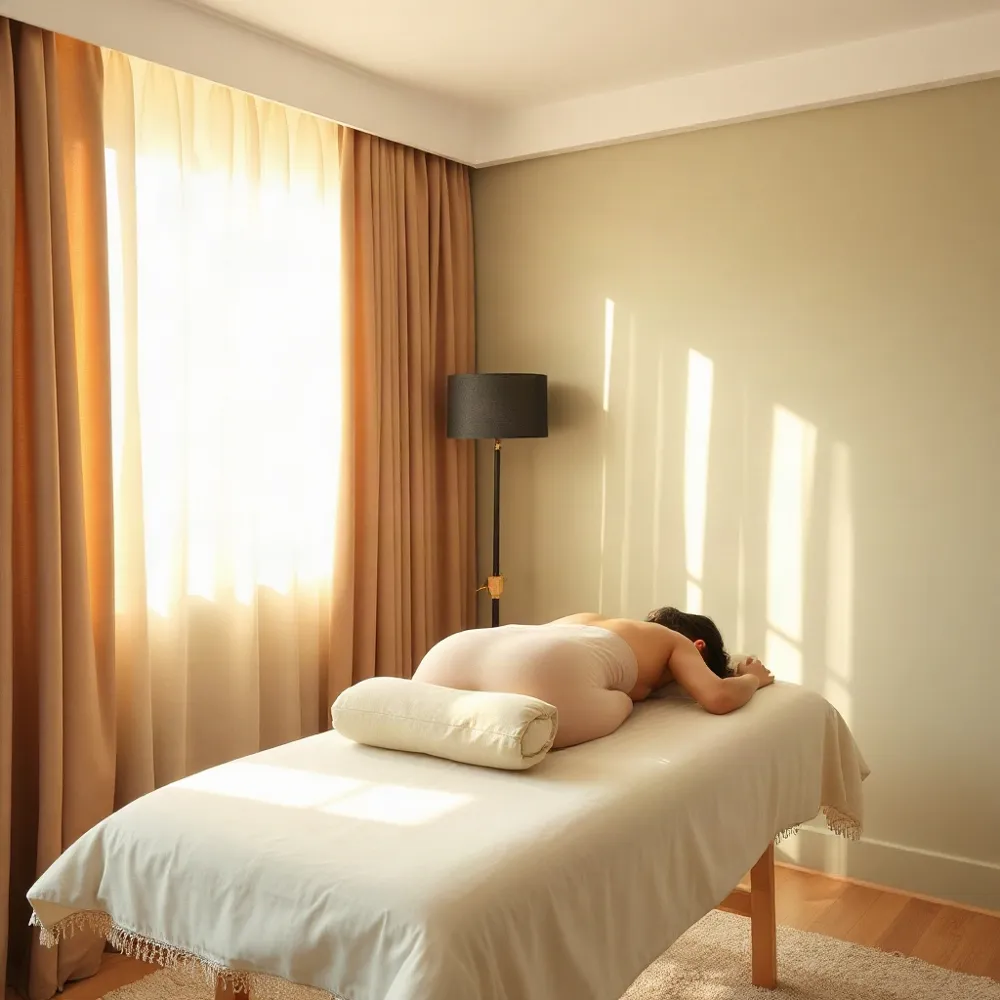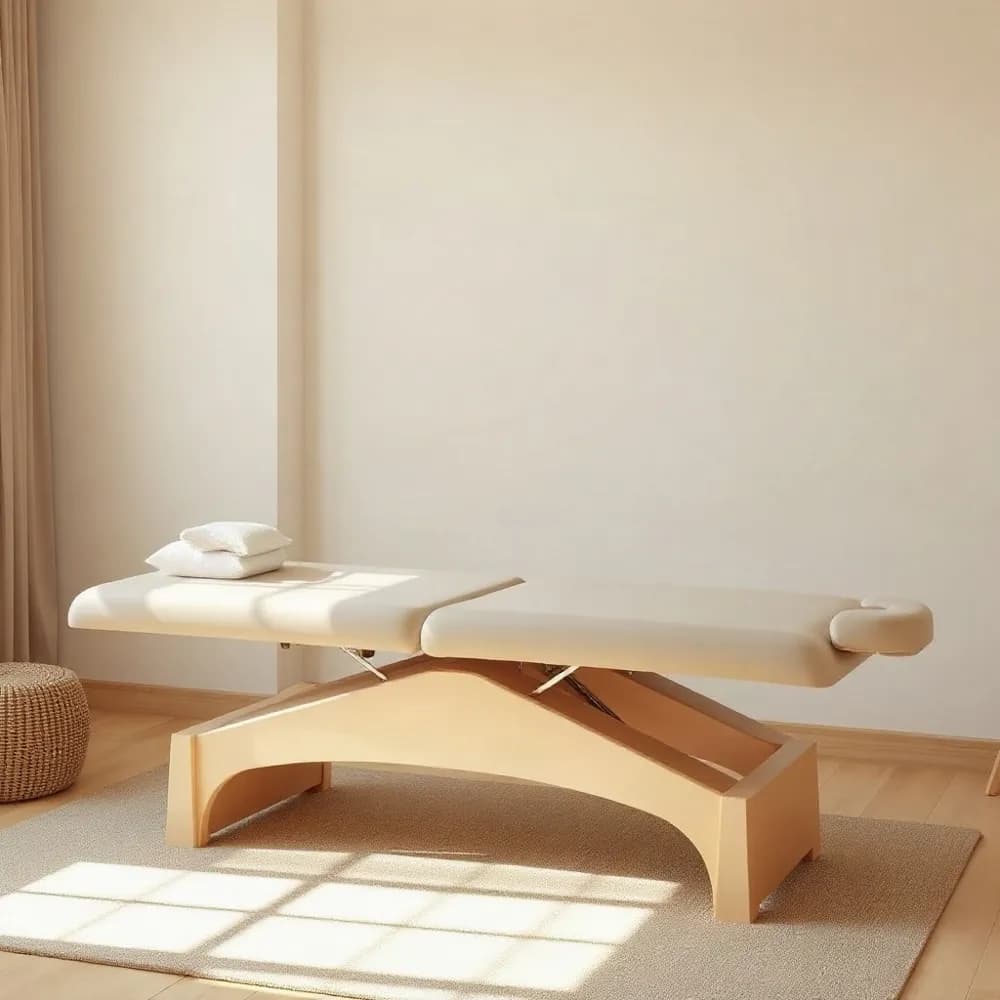
Understanding Modern Approaches to Chronic Back Pain Relief
Modern spinal health care is undergoing a significant shift, prioritizing conservative, non-invasive methods over immediate surgical intervention. Providers now typically follow a stepped approach, utilizing therapies that focus on addressing the root cause of discomfort rather than masking symptoms with long-term medication.
At southeastchiro.com, we believe that the journey to pain-free mobility starts with natural healing. Spinal decompression has emerged as a cornerstone of this holistic wellness model. By gently stretching the spine to create negative pressure, this therapy helps retract herniated discs and improves nutrient delivery to damaged tissues.
Unlike some practices that rush toward invasive procedures, the team at southeastchiro.com emphasizes patient-focused care. We integrate spinal decompression therapy alongside other rehabilitative treatments to restore functional integrity. This combination helps patients address conditions like sciatica and degenerative disc disease while avoiding the extensive recovery periods often linked to surgical laminectomies or microdiscectomies.
Mechanisms of Decompression Therapy and Its Clinical Benefits
 At southeastchiro.com, we understand that effective spinal health requires addressing the underlying source of pain rather than merely masking symptoms with medication. Spinal decompression therapy serves as a non-surgical, motorized traction treatment designed to relieve chronic back and neck pain by gently stretching the spine. Unlike traditional traction, this advanced spinal decompression method utilizes computer-controlled feedback to relax paraspinal muscles, allowing for a more precise and targeted force that avoids reactive muscle guarding.
By altering the position of the spine, the process generates negative pressure within the intervertebral discs. Clinical research, such as a study of 60 patients, confirms this negative pressure can reach levels down to -100 mmHg, creating a vacuum effect. This force helps bulging or herniated discs retract, which actively relieves pressure on compressed nerves and facet joints. Research indicates that this approach can lead to a significant reduction in herniation volume, providing a concrete path to recovery that many invasive interventions lack.
Beyond mechanical relief, the decompression therapy process is believed to support the disc's natural healing mechanisms. The alternating stretching and relaxation cycles facilitate the movement of oxygen, water, and nutrient-rich fluids into the damaged discs. This restoration of circulation helps flush out inflammatory exudates that contribute to pain. While other facilities may rely on basic traction, southeastchiro.com focuses on these specific physiological responses to foster an environment where damaged spinal tissues can effectively repair themselves.
Targeting Disc Herniations and Degenerative Conditions Successfully
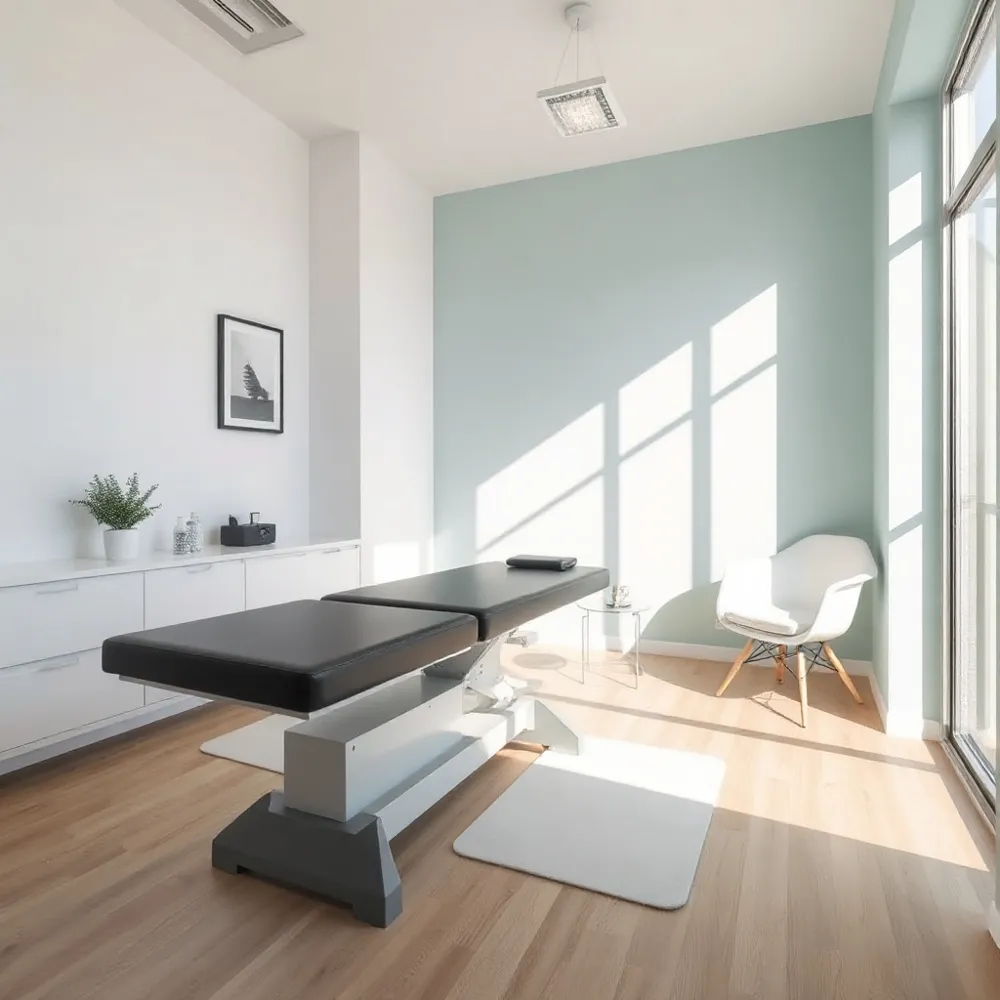 Managing complex spinal issues such as herniated discs and degenerative disc disease requires a targeted, conservative approach. Unlike generic traction, nonsurgical spinal decompression utilizes computer-controlled feedback to relax paraspinal muscles, allowing for precise force that helps retract disc material and relieve nerve pressure. This creates negative pressure within the disc, promoting the flow of oxygen and nutrients to damaged tissues to support natural healing.
Is spinal decompression effective for conditions like herniated discs or degenerative disc disease?
Yes, spinal decompression therapy is often considered an effective, non-surgical treatment option for managing pain associated with herniated discs and degenerative disc disease. By gently stretching the spine, this therapy creates negative pressure within the disc, which can help retract bulging or herniated material and relieve pressure on compressed nerves. This process also encourages the movement of water, oxygen, and nutrient-rich fluids into the discs, fostering an environment conducive to natural healing. Many patients experience significant relief from chronic pain and improved spinal mobility through a consistent treatment plan. At southeastchiro.com, we evaluate your specific condition to determine if spinal decompression is the right approach to support your path to recovery.
Clinical research supports these outcomes. One study found that approximately 26.9% of patients receiving this therapy achieved a reduction of over 50% in herniation volume. It is important to note that results are cumulative. While some patients report relief after only a few sessions, optimal restoration of functional mobility typically requires a structured, multi-week plan. While some providers may rely on basic traction, the specialized decompression therapy used at southeastchiro.com focuses on specific vertebral targeting to maximize tissue repair and minimize muscle guarding.
Comparing Non-Surgical Decompression and Invasive Surgical Intervention
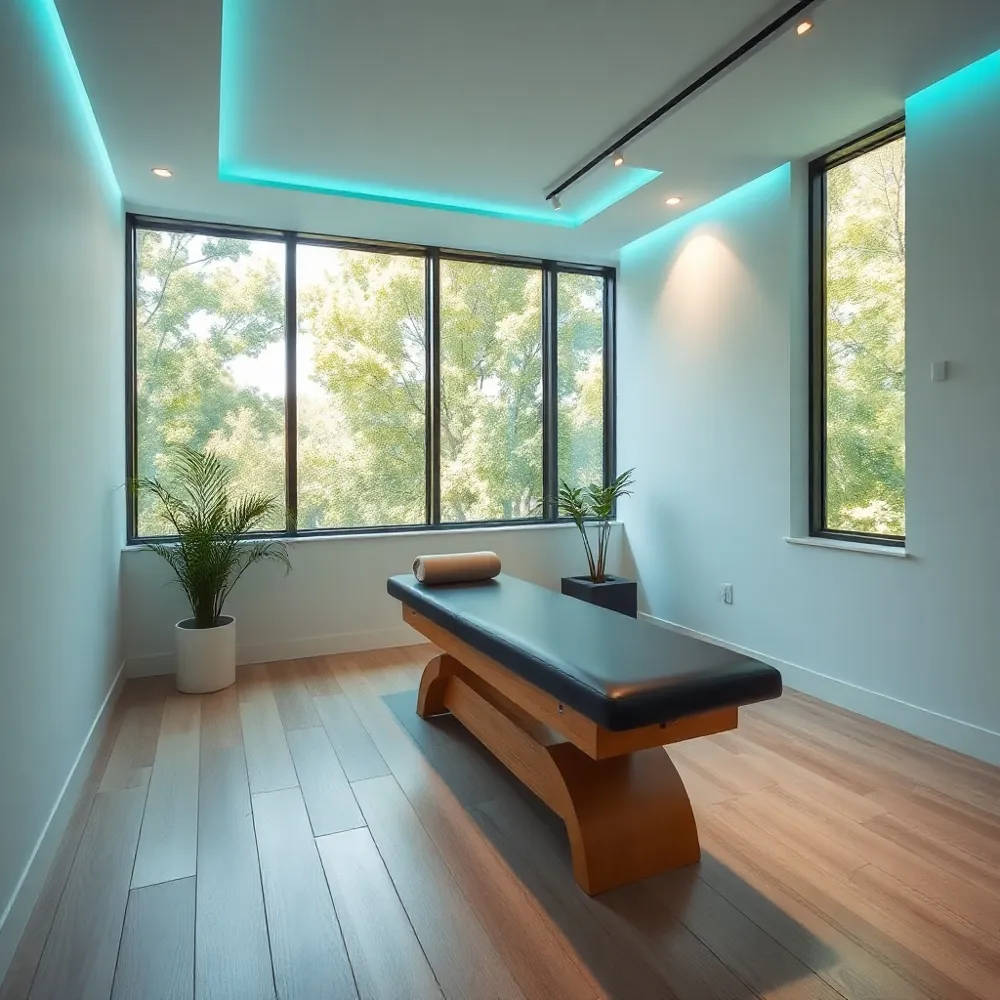 The choice between non-surgical care and surgical intervention hinges on the severity of a patient's spinal condition and their response to initial conservative therapies. While surgical procedures like discectomy or laminectomy are designed to physically remove bone or tissue to alleviate pressure on the spinal cord or nerve roots, they are major medical operations. These procedures carry inherent risks including infection, bleeding, blood clots, and potential injury to nearby tissues, often necessitating a recovery period that spans several months per 2024 Cleveland Clinic data.
At southeastchiro.com, we emphasize a stepped clinical approach that prioritizes non-invasive techniques before considering surgical alternatives. Unlike the physical alteration of the spine required by surgery, non-surgical decompression utilizes computer-controlled traction to gently stretch the spine and create negative pressure. This approach addresses disc-related pain by encouraging discs to retract and improving nutrient delivery to damaged tissues, without the anesthesia or extensive downtime associated with invasive procedures as noted by researchers.
How does non-surgical spinal decompression differ from spinal decompression surgery?
Non-surgical spinal decompression and surgery differ primarily in their invasiveness and approach. Spinal Decompression Therapy is a non-invasive treatment that uses a specialized table to relieve pressure on nerves without incisions. In contrast, surgery involves procedures such as microdiscectomy to remove herniated material as documented by Baylor Scott & White Health. While non-surgical options serve as a conservative starting point for patients with mild to moderate conditions, surgical intervention is generally reserved for severe structural issues where persistent symptoms remain unresponsive to other treatments.
Safety, Side Effects, and Essential Clinical Protocols
Understanding the safety profile of spinal care is vital for patients evaluating their options. While some individuals seek quick relief through home-based stretching or inversion devices, these methods lack the sophisticated, computer-controlled feedback mechanisms used in clinical settings. At southeastchiro.com, professional monitoring ensures that traction force remains precise and responsive to a patient's individual spinal mechanics, a standard that home-based equipment fails to replicate.
What are the safety risks associated with attempting spinal decompression at home versus a clinical setting?
Attempting spinal decompression at home is discouraged because clinical therapy relies on specialized, motorized tables that allow for precise, controlled, and individualized tension. In a professional setting, doctors first perform a comprehensive screening to identify contraindications such as severe osteoporosis, spinal tumors, metal implants, or pregnancy, which would make standard decompression techniques dangerous per Cleveland Clinic. Without this professional assessment, home-based efforts could lead to serious injury, including fractures or nerve damage. Furthermore, clinicians monitor for real-time physiological responses, ensuring that the spine's structural integrity remains protected throughout the session.
What are the primary pros, cons, and potential side effects of spinal decompression therapy?
Spinal decompression therapy is a non-surgical, minimally invasive approach that offers significant benefits, including pain relief without medication and improved mobility, which can help patients avoid the infection and nerve injury risks associated with surgery like laminectomy. By creating negative pressure within the discs, this method addresses issues like herniated discs and spinal stenosis while supporting long-term posture. Although Baylor Scott & White Health notes that complications are rare, some patients may experience mild side effects, such as temporary muscle soreness or stiffness, as the body adapts to the therapeutic adjustments. The primary limitation is the requirement for a consistent, scheduled series of sessions, as the clinical benefits of decompression therapy are typically cumulative rather than immediate.
Treatment Duration, Frequency, and Insurance Considerations
How long is a typical spinal decompression treatment session and how many are usually required?
A typical spinal decompression session generally lasts between 20 and 45 minutes, during which you remain comfortably on a specialized traction table. Because this therapy is a cumulative process, it is not a one-time fix and requires a consistent schedule to be effective. Most treatment plans typically consist of 15 to 30 sessions in total, usually spread out over a period of 4 to 8 weeks. While individual needs vary based on the severity of your condition, most patients follow a frequency of 2 to 3 sessions per week. At southeastchiro.com, our doctors tailor this plan to your specific health needs and monitor your progress to ensure optimal recovery.
Is spinal decompression therapy typically covered by health insurance?
Spinal decompression therapy is generally not covered by health insurance providers. Many insurance companies classify the treatment as experimental, despite its long history of clinical use and effectiveness in providing relief for spinal disc conditions. Because of this, most patients choose to pay for these sessions out of pocket. This policy often limits the availability of the therapy to specialized clinics rather than traditional medical settings. Unlike large hospital networks that may prioritize higher-cost surgical procedures, southeastchiro.com maintains a transparent approach to pricing, helping patients manage the financial aspect of their care so they can focus on their wellness journey.
Maintaining Long-Term Wellness and Structural Integrity
Spinal health requires a proactive approach that extends beyond individual clinical visits. While spinal decompression is a highly effective, non-surgical treatment for relieving chronic back pain, it is best viewed as a component of a comprehensive wellness plan rather than a single permanent fix. By gently stretching the spine to reduce pressure on discs and nerves, the therapy promotes natural healing, reduces inflammation, and restores mobility.
Does spinal decompression provide a permanent fix for back pain?
Factors like daily wear and tear, posture, and lifestyle habits influence spinal health, which means maintenance remains essential for most patients. At southeastchiro.com, we focus on addressing the root cause of your pain to provide long-lasting relief and improved quality of life. Consistent, personalized care ensures that you can better manage your spinal health and minimize the risk of recurring issues over time.
Sustaining these results often involves complementing clinical sessions with targeted exercise and structural support. Research indicates that combining decompression therapy with core stabilization exercises significantly increases the activity of muscles like the rectus abdominis and transverse abdominis. This dual approach strengthens the supportive tissues around the spine, helping to safeguard your progress and improve overall functional stability. By integrating these habits, you move from simple symptom relief to a more resilient, healthier spine.
Embarking on Your Journey Toward Pain-Free Mobility
Choosing a non-surgical path toward recovery offers a clinically effective way to address the root causes of back pain. By utilizing spinal decompression therapy, patients often reduce their reliance on invasive procedures while benefiting from improved disc health and mobility. Unlike many medical interventions that carry significant surgical risks such as infection or prolonged recovery, this conservative approach focuses on the body's natural capacity to heal.
At southeastchiro.com, our team is dedicated to providing personalized, natural wellness solutions. We understand that your health journey is unique. We invite you to contact our office today to discuss how our targeted chiropractic and decompression protocols can help you regain your quality of life. Taking the first step toward a more active future begins with a thorough evaluation from our professional staff, who are committed to your long-term structural integrity and daily comfort.