Understanding Massage as a Recovery Tool
Massage therapy is often treated as a single, one-size-fits-all option. In practice, it is a family of techniques with very different goals, pressure levels, and effects on muscle tissue. Knowing which style fits your symptoms matters more than simply booking a session, because the wrong approach can leave you sore without addressing the underlying problem. Research-backed guidance on therapeutic massage for back pain suggests that matching the technique to the tissue condition is what separates lasting relief from a temporary reprieve.
Chiropractors commonly recommend massage as part of a broader recovery plan rather than a standalone fix. The reason is practical: massage relaxes the muscles that often tighten around a misaligned joint, while chiropractic adjustments address the alignment itself. Many patients find that receiving massage work before an adjustment helps loosen tight muscles attached to the spine, which allows the chiropractic adjustment to be more effective. This kind of sequencing turns two separate treatments into a single, coordinated session.
Matching Technique to Your Symptoms
The right massage for lower back pain depends on whether the pain is acute, chronic, muscular, or nerve-related. Studies show that massage therapy for lower back pain can relieve discomfort in many cases, but the effect varies by technique. Not every method is appropriate for every condition, and some styles can aggravate inflamed tissue if applied too aggressively.
Trigger point. Deep, focused pressure applied to a specific knot or taut band of muscle. Trigger point work is well suited for chronic, localized pain that refers elsewhere, such as a knot in the gluteal region that causes pain down the leg.
Myofascial release. Gentle, sustained stretching of the connective tissue that surrounds muscles. This technique works best for restricted movement and stiffness that does not respond to deeper pressure, often after an injury or prolonged poor posture.
Swedish. Long, flowing strokes with light to medium pressure that promote general relaxation and circulation. Swedish massage is a good entry point for acute pain or for people who prefer a gentler approach.
Deep tissue. Slow, firm strokes that target the deeper muscle layers and fascia. Deep tissue is effective for chronic tension but can leave you sore for a day or two, so it is not ideal for acute inflammation.
What to Expect in a Session
A therapeutic massage session for back pain is different from a spa treatment. The therapist will ask about your pain history, the location of your symptoms, and any recent injuries before starting. You remain draped and only the areas being worked on are exposed. Communicating about pressure is essential, because the goal is relief, not endurance. Sources like Therapeutic Massage for Back Pain: What to Expect emphasize that good therapists check in regularly about pressure, which reduces the risk of soreness after the session.
Common Mistakes and How to Avoid Them
A few well-intentioned mistakes can turn a beneficial massage into a setback. Knowing them in advance helps you approach treatment with realistic expectations.
- Using deep tissue on acute inflammation. When a muscle is already inflamed from a recent strain, heavy pressure can increase swelling. Gentle Swedish or myofascial work is usually safer.
- Expecting a single session to fix a chronic problem. Lasting relief often requires multiple sessions combined with chiropractic care and home stretches.
- Ignoring referred pain. Pain in the lower back may originate in the hip, pelvis, or buttock muscles. A good therapist will assess the whole region, not just the spot that hurts.
- Stopping massage if you feel sore. Mild soreness is normal after deep work, but sharp or spreading pain is not. Report it immediately so the therapist can adjust.
Massage vs. Chiropractic: When Each Makes Sense
Both massage and chiropractic care address back pain, but they work on different parts of the problem. Massage focuses on the muscles and fascia, while chiropractic focuses on the spine and joints. The choice is not either-or; the right sequence matters. Many chiropractors recommend massage as a complement to adjustments, and research shows that combining the two can reduce chronic low back pain more effectively than either alone. A guide from Hershey Family Chiropractic explains that muscle tension from misalignment can pull the spine out of place again after an adjustment, which is why muscle relaxation before or after the adjustment improves outcomes.
For acute muscle spasms or tightness, massage alone can be sufficient. For structural issues like a misalignment or disc irritation, an adjustment is usually necessary. The real-world approach is to treat both layers together. Many patients find that a massage before the adjustment loosens the muscles enough that the correction lasts longer, while massage after a chiropractic session soothes the tissue that was just mobilized.
When to Be Cautious
Massage is not a universal fix. Certain conditions call for caution, and a chiropractor or physician should weigh in first. Massage therapy can hurt more than help in cases of severe osteoporosis, blood clots, open wounds, or active infection. Also, massage that feels too aggressive on already sensitive tissue can worsen symptoms. If you have any of these concerns, a practitioner who understands the full picture of your health is the safer route.
That is where a chiropractor’s perspective helps. A chiropractor can determine whether your back pain is muscular, joint-related, or nerve-related, and then recommend the massage style most likely to help. Because chiropractors are trained to evaluate the spine and nervous system, they can decide whether massage should be combined with an adjustment or avoided altogether in your specific situation. The decision is individualized, which is why professional guidance matters.
Making Massage Part of Your Recovery Plan
Massage works best when it is part of a structured recovery plan. Regular massage can lower pain, improve range of motion, and reduce muscle tension, but it needs to be coordinated with other care, like spinal adjustments and at-home stretching. A provider who integrates massage into your overall treatment is better positioned to track progress and adjust the approach as your condition changes.
At your initial consultation, ask the chiropractor specific questions. Which massage technique do you recommend for my diagnosis, and why? Should massage happen before or after the adjustment? How many sessions will I likely need? What should I feel during and after the massage? Answers to these questions turn a vague recommendation into a clear, actionable plan.
| Massage Focus | Chiropractic Focus | Best Used For |
|---|---|---|
| Muscles and fascia | Spine and joints | Muscle tension, spasms |
| Relaxation and circulation | Alignment correction | Structural misalignment |
| Gentle to deep pressure | Manual adjustment | Disc irritation, nerve pain |
| Complements adjustments | Complements massage | Chronic low back pain |
When Massage Fits Your Back Pain Plan
 Massage is not a one-size-fits-all remedy. For some types of back pain it delivers fast, lasting relief; for others it can aggravate the problem or simply do nothing. Knowing which category your pain falls into is the first step toward choosing care that actually helps.
The most responsive cases are muscular in origin. Overworked muscles, trigger points, and chronic tension in the paraspinal muscles along the spine often loosen noticeably after a targeted session. Massage therapy for lower back pain is widely recommended for this kind of pain because increased blood flow and reduced muscle spasm ease stiffness and improve mobility.
When massage is a good fit
- Acute muscle spasms: A sudden catch in the lower back from a awkward lift often responds to massage once the initial inflammation settles.
- Chronic muscular tension: Tightness from poor posture or repetitive work commonly relaxes with regular massage sessions.
- Post-exercise soreness: Delayed onset muscle soreness (DOMS) in the back can be eased by massage that encourages circulation.
When massage is not the answer
Structural problems rarely resolve with massage alone. Disc herniations, spinal stenosis, nerve root compression, and facet joint dysfunction typically need a more targeted intervention. In these cases, deep pressure over an already inflamed area can make back pain worse, so proceed cautiously and get a proper diagnosis first.
| Back pain type | Massage fit | Why |
|---|---|---|
| Muscle spasm | Good | Reduces tension in soft tissue |
| Disc herniation | Poor | Does not address nerve compression |
| Postural strain | Good | Loosens overworked muscles |
| Facet joint dysfunction | Poor | Needs spinal adjustment, not soft tissue |
Exploring Massage Types for Back Pain
 A literal pain in the back is one of the most common reasons people book a massage, and the research backs up the instinct. A 2015 Harvard Health article notes that massage can be an effective part of managing sore back muscles, especially when the pain is muscular rather than structural. The effect isn't just subjective either: massage triggers a relaxation response that lowers stress hormones, which in turn reduces muscle tension and supports the body's own recovery.
What the research says
The strongest evidence for massage as a back pain treatment comes from systematic reviews and clinical guidelines that track patient-reported outcomes over weeks and months. According to Spine-health, a growing body of research supports massage therapy as an effective treatment for lower back pain, particularly when combined with exercise and postural education. The benefit tends to be most pronounced for acute and subacute pain, where massage helps break the cycle of muscle spasm and guarding that leads to chronic discomfort.
Acute pain. Pain lasting less than six weeks. Massage can reduce this quickly by relaxing tight muscles and improving blood flow, which brings oxygen to the tissue and flushes out inflammatory byproducts.
Subacute pain. Pain that lingers between six and twelve weeks. Here massage works by restoring range of motion and preventing the guarded, altered movement patterns that keep the pain alive.
Chronic pain. Pain that persists beyond three months. Massage still helps, though the research is strongest for it as part of a multi-modal plan. Chiropractic care plus massage reduces low back pain by up to 30% more than either alone, according to clinical insights from Southeast Chiropractic.
Practically, that means a single massage can help with a stiff, sore back, but lasting relief usually comes from a short course of treatments rather than one session. Massage Envy emphasizes regular massage as part of a self-care routine for back pain, and many patients find that ongoing care is what keeps the pain from returning.
When massage might not be enough
Massage is not a cure-all. If your back pain is tied to a misaligned joint, a disc issue, or nerve compression, working only on the muscle tissue will give you temporary relief at best. As Ortho United points out, there are situations where massage can actually aggravate an underlying injury, so it's worth knowing what kind of pain you're dealing with before you book.
This is where chiropractic care comes in. Rather than only targeting the muscle tissue, a chiropractor assesses the spine and joints to find the source of the problem, then uses adjustments to restore proper alignment. Massage and chiropractic work especially well together because the massage loosens the muscles and the adjustment corrects the joint. Dr. Rosen's insight from Southeast Chiropractic explains how receiving massage before an adjustment helps loosen the tight muscles attached to the spine, allowing the adjustment to be more effective and longer lasting.
| Approach | What it targets | Best for |
|---|---|---|
| Massage alone | Muscle tension and spasm | Mild, muscular soreness |
| Chiropractic alone | Joint alignment and nerve function | Structural pain, restricted motion |
| Massage + chiropractic (30% more relief) | Both muscle and joint | Most back pain, especially chronic |
The takeaway is that massage is a helpful tool for most back pain, but it works best when it's paired with a chiropractic evaluation that addresses the underlying cause. If you're not sure whether your back pain is muscular or structural, a chiropractor can help you figure that out and then recommend the right combination of treatments.
Swedish Massage for Acute Discomfort
 Massage therapy ranks among the most common complementary approaches for people dealing with lower back discomfort. Research from Harvard Health indicates that massage can be effective for back pain, particularly when used alongside other treatments. The hands-on manipulation of muscles, tendons, and connective tissue helps reduce tension, improve circulation, and promote relaxation, which together can ease the strain that contributes to back problems.
For many people, receiving massage work before a chiropractic adjustment helps loosen tight muscles attached to the spine. This allows the adjustment to be more comfortable and potentially more effective. Southeast Chiropractic integrates massage into patient care plans, recognizing that the two approaches work well together rather than as competing options.
Pain Relief and Muscle Tension
Lower back pain often involves overworked muscles that remain in a contracted state. Massage helps interrupt this cycle by encouraging the muscle fibers to release, which reduces the pain signals sent to the brain. A guide from Healthline explains that techniques aimed at the lower back can ease pain by improving blood flow and relaxing tight tissue, making everyday movements less uncomfortable.
Recovery and Range of Motion
Beyond immediate pain relief, massage supports recovery by promoting blood flow to the affected area. Improved circulation delivers oxygen and nutrients to damaged tissues while helping remove metabolic waste, which can speed healing. Research highlighted by Spine-health notes that regular massage can also improve range of motion, allowing people to return to normal activities with less stiffness.
Choosing the Right Approach
Not every type of massage suits every back condition. Deep tissue work targets chronic tension, while Swedish massage offers gentler relaxation, and trigger point therapy addresses specific areas of pain. A patient-focused guide outlines what to expect from therapeutic massage for back pain, emphasizing that the technique should match the underlying cause of the discomfort.
Massage works well as part of a broader care plan. Southeast Chiropractic combines massage with chiropractic adjustments, and research suggests this pairing can reduce low-back pain by up to 30% more than either approach alone. When massage and chiropractic are used together, the massage relaxes the muscles so the adjustment can target the spine more effectively.
Potential Risks and Precautions
While massage is generally safe, it is not appropriate for everyone. Certain conditions, such as acute injuries, fractures, or severe inflammation, may require caution. A discussion from Ortho United notes that in some cases massage can make back pain worse, particularly if the tissue is already irritated or if too much pressure is applied. Talking with a qualified professional before starting massage helps ensure it is the right choice for your specific situation.
Massage Therapy and Chiropractic
Many people wonder whether massage or chiropractic care is better for back pain. In practice, they often work best together. Chiropractic focuses on aligning the spine and joints, while massage addresses the surrounding muscles. A comparison guide explains that the two approaches complement each other rather than compete. Southeast Chiropractic offers both, so patients can receive a coordinated plan that targets both muscle tension and spinal alignment in one visit.
What to Expect from a Session
A therapeutic massage session for lower back pain typically begins with a brief assessment of your symptoms and medical history. The therapist will then use techniques suited to your condition, which may involve gentle kneading, deep pressure, or stretching. A guide from Treating Pain emphasizes that communication is key: telling the therapist what feels good and what doesn't helps customize the session to your needs.
The Role of Self-Care and Consistency
Massage is most effective when it is part of a regular routine, not just a one-time fix. Consistent sessions help maintain muscle relaxation, prevent re-injury, and support overall spinal health. Southeast Chiropractic advises that patients often see the greatest benefits when massage is combined with chiropractic adjustments and at-home stretching or exercise.
| Massage Type | Best For | Considerations |
|---|---|---|
| Swedish | General relaxation, mild tension | Gentle pressure; good for first-timers |
| Deep tissue | Chronic or stubborn knots | Stronger pressure; may cause soreness |
| Trigger point | Specific painful spots | Targeted but can be intense |
| Sports massage | Athletic recovery, mobility | Crosses into exercise-based care |
Massage therapy offers a practical, non-invasive way to ease lower back pain, improve mobility, and support recovery. When paired with chiropractic care, it can enhance the benefits and help you return to comfortable daily function.
Deep Tissue for Chronic Muscle Tension
 Massage fits most naturally into a recovery plan when the goal is to relax tight muscles, improve circulation, and reduce tension before or after another treatment. It is not a replacement for structural correction, but it prepares the body for it. Many chiropractors recommend massage before an adjustment because it loosens the muscles attached to the spine, allowing the bones to move more freely and making the adjustment more effective.
Massage is most beneficial when you have muscle spasm, knots, or tension that restricts movement. It also helps when stress is a driving factor in your pain, since it lowers stress hormones and activates the parasympathetic response. On the other hand, if you have an acute injury with significant inflammation, a deep or vigorous massage can aggravate the area. In those cases, lighter techniques or waiting until the acute phase passes is usually wiser.
What to Expect During a Session
During a session, the therapist will ask about your pain history and the area you want to focus on. You may be asked to lie on a table, often with a pillow under your knees or abdomen for support. The pressure can range from light to deep, and you should always communicate what feels comfortable. A typical session lasts 30 to 60 minutes, and it is normal to feel sore the next day, especially after deep work. For a detailed look at what to expect, see this guide to therapeutic massage for back pain.
Many people wonder whether massage can actually make their back pain worse. The short answer is yes, if the technique is wrong or the pressure is too aggressive for the condition. A good therapist will check in and adjust. If you have a disc herniation, severe osteoporosis, or a recent fracture, massage may be contraindicated. A chiropractor can help determine what is safe when you have a structurally complex issue.
When to Avoid Massage
- If you have a fever, infection, or contagious skin condition, massage can spread it or worsen your symptoms.
- If you are in the first trimester of pregnancy, certain pressure points and positions should be avoided unless the therapist is specially trained in prenatal massage.
- If you have deep vein thrombosis, blood clots, or a history of vascular issues, massage can dislodge a clot and cause serious complications.
Massage can also be counterproductive if you have an acute flare-up of a disc herniation or spinal stenosis. In those cases, the tissue is already inflamed, and compression from massage may increase irritation. A therapist who works closely with chiropractors will often defer to the chiropractor's assessment to decide whether massage is appropriate that day.
How Massage and Chiropractic Work Together
Massage and chiropractic complement each other well. Massage relaxes the muscles, while chiropractic adjusts the spine to correct alignment. Together, they reduce pain and improve function faster than either alone. Research shows that combined chiropractic adjustments and therapeutic massage can reduce low-back pain by up to 30% more than chiropractic alone. Creating chiropractic and massage in one plan is often the most effective approach for chronic or recurring back pain.
If you are receiving care at a chiropractic office, the massage may be performed by a licensed massage therapist or by a chiropractor trained in soft-tissue techniques. The two practitioners should communicate about your condition to ensure the treatment is coordinated. At Southeast Chiropractic, we integrate massage into your care plan when it supports your recovery, and we adjust the approach based on what your spine and muscles need on any given day.
| When Massage Helps | When Massage May Hurt | What to Do |
|---|---|---|
| Chronic muscle tension | Acute injury with swelling | Wait for acute phase to pass |
| Stress-related pain | Fever or infection | Consult a healthcare provider |
| Before a chiropractic adjustment | Recent fracture or disc herniation | Get a chiropractor's clearance |
| After a workout or repetitive strain | Deep vein thrombosis or blood clot | Avoid massage and seek medical care |
Targeted Techniques for Lasting Relief
 Massage therapy is one of the most adaptable recovery tools available, but its effectiveness depends heavily on timing, technique, and the specific condition being treated. For acute back pain, a gentle, targeted massage can reduce muscle spasm and improve circulation in ways that complement chiropractic adjustments. Research highlights that therapeutic massage activates pain-relieving pathways and loosens tight muscle fibers, which is why it is often recommended alongside spinal care.
For chronic or recurring discomfort, massage becomes a maintenance strategy rather than a one-time fix. Regular sessions can help prevent muscle tension from building up and reinforce the postural improvements achieved through chiropractic care. Studies cited by Spine-health show that massage therapy for lower back pain can be effective both as a standalone treatment and as a complement to other interventions, making it a flexible option for patients with different needs.
Massage vs. Chiropractic
Massage and chiropractic serve different but overlapping roles. Massage works primarily on soft tissue, reducing tension, improving blood flow, and stimulating the nervous system. Chiropractic focuses on spinal alignment and joint function, addressing the structural causes of pain. Many patients benefit from both, and the order often matters: a massage before an adjustment can relax tight muscles, making the adjustment easier and more effective. This is a principle that southeastchiro.com applies directly in its care plans.
When comparing options, consider what your pain stems from. If it is mostly muscular, massage may provide the quickest relief. If it involves joint dysfunction or nerve irritation, chiropractic is often the primary approach, with massage as a supporting therapy. For those weighing the two, this guide outlines how to choose based on your specific symptoms, but a combined approach often yields the best results. A chiropractor can assess your condition and recommend the right sequence, which is where southeastchiro.com excels: personalized treatment plans that integrate both modalities.
Choosing the Right Massage Technique
Not all massage is created equal. For lower back pain, techniques like myofascial release, deep tissue, and Swedish massage each have distinct effects. Myofascial release targets the connective tissue that can become tight and restrictive, while deep tissue works on deeper muscle layers to break up chronic tension. Swedish massage is gentler and better suited for relaxation and stress reduction, which can indirectly ease pain by lowering cortisol levels. A Harvard Health article notes that massage can help with sore backs by improving circulation and reducing muscle stiffness, but the right technique depends on your pain's intensity and duration.
For acute flare-ups, lighter pressure is often safer to avoid aggravating inflamed tissues. For chronic tightness, deeper work may be necessary. A Healthline resource offers practical guidance on applying massage safely at home, but professional care ensures that the technique matches your anatomy and condition. At southeastchiro.com, massage therapy is integrated with chiropractic adjustments to address both soft tissue and structural issues, a combination that research indicates can reduce low-back pain up to 30% more than either approach alone.
When Massage Might Not Help
Massage is not a universal remedy. In some cases, it can worsen pain if applied too aggressively or when the underlying issue is inflammatory, such as a herniated disc with nerve compression. Some experts caution that massage can aggravate back pain in certain situations, particularly if the therapist works too deeply on an already irritated area. Knowing when to avoid massage is just as important as knowing when to use it.
Signs that massage may not be appropriate include sharp, shooting pain, numbness, or weakness in the legs, which can indicate nerve involvement that requires chiropractic or medical evaluation. In such cases, a chiropractor can perform a thorough assessment to determine whether massage is safe or whether other treatments are needed. This diagnostic step is a core part of care at southeastchiro.com, ensuring that patients receive the right therapy at the right time, rather than defaulting to a one-size-fits-all approach.
Integrating Massage with Chiropractic Care
The most effective recovery plans often combine massage and chiropractic. Chiropractic adjustments restore joint mobility, while massage relaxes the surrounding muscles that may be pulling the spine out of alignment. Used together, they address both the cause and the symptom of back pain. A chiropractic blog post explains why chiropractors frequently recommend massage as part of a recovery plan, and southeastchiro.com follows this evidence-based approach.
For patients in Gastonia, NC, this integration is readily available. The practice offers massage therapy as a complement to chiropractic maintenance care, helping patients manage chronic conditions and prevent future flare-ups. Whether you are recovering from an injury or simply maintaining wellness, combining these therapies with regular adjustments can lead to better outcomes. For those interested in specific techniques, targeted massage strategies for the neck and shoulders can also be integrated into a broader care plan.
| Condition | Massage Suitability | Chiropractic Suitability | Best Approach |
|---|---|---|---|
| Muscle strain | High; reduces tension | Moderate; supports alignment | Massage first, then adjust |
| Herniated disc | Low risk of aggravation | High; reduces nerve pressure | Chiropractic with gentle massage |
| Chronic tightness | High; deep tissue helps | Moderate; maintains alignment | Combine both regularly |
| Postural issues | Moderate; relaxes muscles | High; corrects alignment | Chiropractic primary |
| Inflammatory flare-up | Low; avoid deep work | High; reduces inflammation | Chiropractic only |
Choosing the Right Massage for You
 Massage can be a powerful recovery tool, but it is not a one-size-fits-all fix. The right response depends on the nature of your pain, the tissue involved, and the skill of the therapist. For many types of back discomfort, especially muscle tension that follows poor posture, repetitive strain, or overactivity, massage delivers measurable relief. Research published by Harvard Medical School notes that massage can ease both acute and chronic back pain, often reducing the need for pain medication. This makes it an attractive option for people who prefer natural, non-invasive approaches to recovery. However, there are situations where massage is not the first call, such as acute injury, suspected fracture, or nerve-related symptoms like numbness and weakness.
Recognizing When Massage Is the Right Fit
Muscle spasm, tightness, and stiffness that come from everyday strain respond well to massage. Faulty posture, prolonged sitting, and repeated lifting create knots and trigger points that a skilled therapist can release through targeted techniques. The Massage Therapy for Lower Back Pain resource at Spine-health explains that massage improves circulation, relaxes tense muscles, and reduces the pain-spasm-pain cycle that keeps you stuck in discomfort. If your pain worsens with movement, feels like a dull ache, or is accompanied by palpable tension, massage likely fits.
On the flip side, massage is not appropriate for certain conditions. If your back pain appears suddenly after a fall, involves sharp shooting pain, or comes with loss of bladder or bowel control, stop and seek medical attention before any hands-on treatment. As Therapeutic Massage for Back Pain: What to Expect and … notes, massage is a support, not a replacement for emergency care. Knowing this distinction keeps you safe and directs you toward the most effective care.
Acute vs. Chronic: Different Timelines, Different Strategies
The timing of your pain matters. Acute pain, generally lasting less than six weeks, often results from a specific strain or sprain. In this phase, the goal is to ease inflammation and avoid re-injury. Gentle massage, especially within the first 48 hours, can help reduce muscle spasm, but aggressive deep work may worsen acute inflammation. Massage Therapy: Can It Make Your Back Pain Worse? points out that too much pressure on freshly injured tissue can increase soreness. A careful therapist will adjust depth accordingly.
Chronic pain, lasting more than three months, requires a different approach. Here, habitual muscle tension and restricted fascia form a pattern that responds well to regular massage. The Massage Therapy for Musculoskeletal Wellness: Targeted Techniques for Pain Relief article from Southeast Chiropractic highlights how repeated massage sessions break the tension cycle and improve long-term mobility. For chronic conditions, consistency matters more than intensity.
Massage as Part of a Broader Recovery Plan
Massage works best when integrated with other conservative care. Chiropractic adjustments, targeted stretching, and rehabilitative exercises complement massage by addressing underlying structural imbalances. The Massage Therapy Integration in Chiropractic Practice page explains that combining chiropractic adjustments and therapeutic massage reduces low-back pain by up to 30% more than either alone. This pairing is especially effective for chronic issues, because massage relaxes the muscles, making the adjustment easier and longer-lasting.
When to Skip Massage and Seek Other Care
There are times when massage is not the answer. Acute injuries like muscle tears or herniated discs require a different approach, as do certain medical conditions such as deep vein thrombosis, skin infections, or severe osteoporosis. The Can Massage Therapy Hurt More Than Help Your Back Pain? piece warns that applying pressure to inflamed or damaged tissue can aggravate symptoms. If you are unsure, a chiropractic evaluation can help determine whether massage is safe for your situation.
| Situation | Massage Fit | Better Alternative |
|---|---|---|
| Muscle tension from posture | Yes, gentle to moderate | Chiropractic adjustments if alignment is off |
| Acute strain (first 48 hrs) | Caution, light pressure | Ice, rest, then gradual movement |
| Chronic stiffness (>3 months) | Yes, regular sessions | Chiropractic + massage combination |
| Nerve pain or numbness | No, avoid deep work | Medical evaluation |
| After car accident (whiplash) | Possibly, delayed | Chiropractic first, then massage |
Chiropractic Care and Massage Together
 Patients often wonder whether to book a massage or see a chiropractor when their back flares up. The honest answer is that both approaches work, but they do different jobs. Massage relaxes the muscles, tendons, and joints that grip your spine, while chiropractic care targets the underlying joint and alignment issues that keep those muscles tight in the first place. Used together, the two complement each other: massage prepares the soft tissue, and an adjustment corrects the joint position.
That pairing is backed by real outcomes. Combined chiropractic adjustments and therapeutic massage reduce low-back pain by up to 30% more than chiropractic care alone, according to research cited by Southeast Chiropractic. When your muscles are loose before an adjustment, the doctor can be more precise, and the correction tends to hold longer because the soft tissue isn't pulling the joint back out of line.
How Massage and Adjustments Work Together
Think of massage as the warm-up and chiropractic as the main event. A massage increases blood flow, relaxes contracted muscle fibers, and calms the nervous system, which makes it easier for your doctor to deliver a comfortable adjustment. For example, Dr. Rosen's insights on integrating massage with chiropractic highlight how loosening tight muscles attached to the spine before an adjustment allows the correction to land more smoothly.
The result is a treatment plan that feels complete. Massage alone often provides temporary relief that fades once the underlying joint restriction persists. Chiropractic alone can leave the surrounding muscle tension unaddressed, so the pain keeps returning. By combining both, you address the whole problem: the muscular layer and the structural layer.
What the Research Says About the Combination
Clinical evidence supports this combined approach. A review of massage therapy for lower back pain notes that massage can ease acute and chronic low-back pain on its own, yet the benefits are often short-lived. That's why chiropractors recommend combining massage with adjustments. When the two are used together, patients tend to see faster relief and longer-lasting improvement.
Some patients also ask whether massage can ever make things worse. It can, if the therapist applies too much pressure to an area that already has a significant structural problem, as discussed in Massage Therapy: Can It Make Your Back Pain Worse?. A chiropractor who understands both modalities can guide you on how much pressure is right and when to skip massage altogether.
Where Chiropractic and Massage Differ
Scope. Massage focuses on the muscles, fascia, and circulation. Chiropractic care focuses on joint alignment, spinal mechanics, and nerve function.
Goal. Massage aims to relax, reduce tension, and improve blood flow. Chiropractic aims to restore proper joint motion and reduce nerve interference.
Duration of relief. Massage alone often provides short-term relief that lasts days. Combined with adjustments, relief tends to last longer because the underlying alignment is corrected.
Your role. A chiropractor can coordinate both treatments into a single, personalized plan, adjusting frequency based on your response.
At Southeast Chiropractic, we often recommend massage as part of a broader recovery plan. Our approach is to assess your spine, identify the muscular and structural contributors to your pain, and then build a treatment sequence that may include massage, adjustments, and rehabilitative exercises tailored to your needs.
| Approach | What It Targets | Typical Result |
|---|---|---|
| Massage alone | Muscle tension, spasms, circulation | Short-term relief, often days |
| Chiropractic alone | Joint alignment, spinal motion | Longer-term correction, but soft tissue may remain tight |
| Massage + chiropractic | Both muscular and structural layers | 30% more low-back pain reduction (per cited research) |
Safety Considerations and Precautions
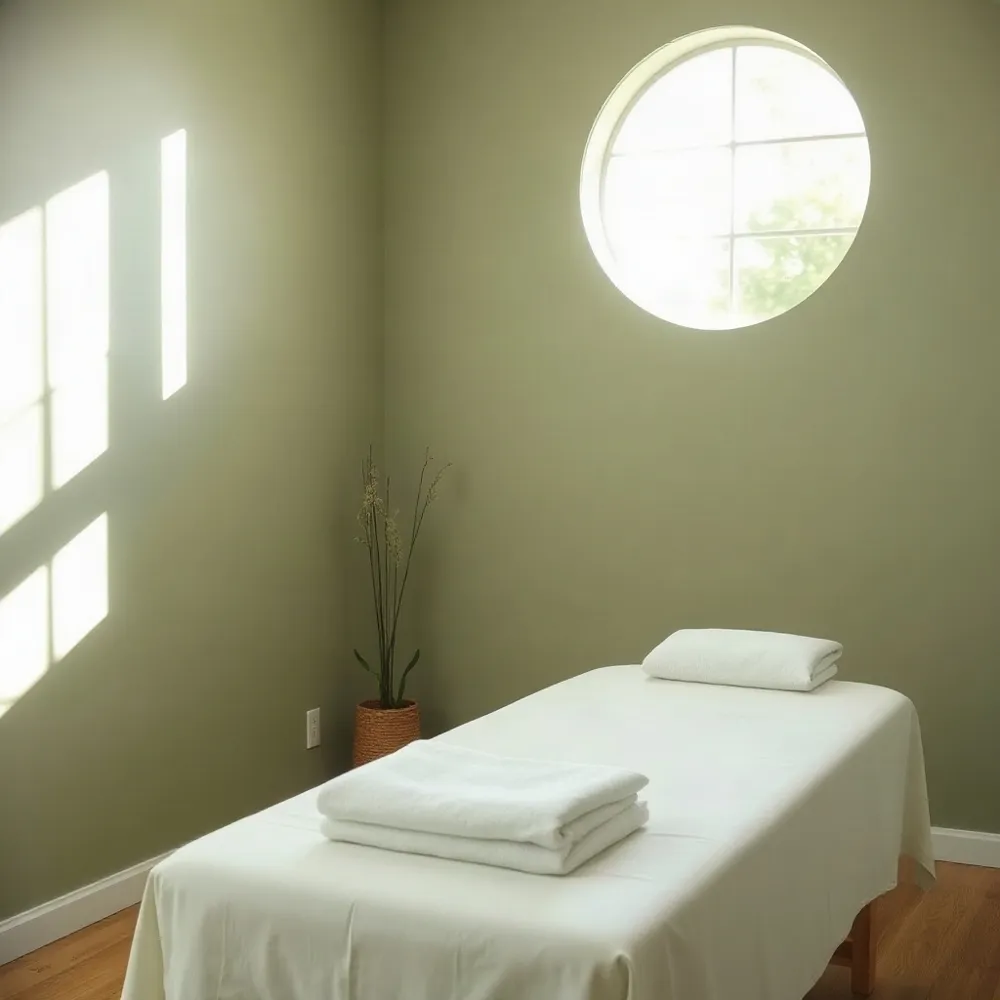 Massage is a powerful tool for many types of back discomfort, but it isn't a universal remedy. Knowing when to skip the massage table matters as much as knowing when to book an appointment. Certain red flags mean you should pause and seek professional evaluation before any hands-on therapy.
Acute trauma is one situation where massage can do more harm than good. If your pain follows a fall, a car accident, or a sudden twisting injury, the tissues may be inflamed or torn. Applying pressure too early can aggravate the injury and prolong recovery. Chiropractors often recommend waiting until the initial inflammation settles before introducing soft tissue work.
Red Flags That Require Medical Attention
Some symptoms point to conditions that demand a doctor's care, not a massage therapist's hands. If you experience numbness or tingling in the legs, weakness in the feet, loss of bladder or bowel control, or pain that radiates down both legs, these could signal nerve involvement or a more serious spinal issue. Fevers, unexplained weight loss, or pain that worsens at night also warrant immediate evaluation.
In these cases, the right first step is a thorough assessment. A chiropractor can perform a physical exam and, if needed, order imaging to identify the underlying cause. Only then can a treatment plan that may include massage be designed safely.
Massage vs. Chiropractic
Massage focuses on relaxing muscles and improving circulation, while chiropractic care targets the spine's alignment and joint function. For simple muscle tension, massage often provides relief quickly. For structural issues, such as a misaligned vertebra or restricted joint, chiropractic adjustments address the root cause more directly.
Many people benefit from combining both approaches. A massage session can loosen tight muscles before an adjustment, making the chiropractic work more effective. This integrated strategy often delivers better outcomes than relying on either method alone.
Contraindications to Be Aware Of
Certain health conditions make massage unsafe or inadvisable. These include active infections, blood clots, severe osteoporosis, recent fractures, and areas of skin damage or open wounds. People with cardiovascular disease, uncontrolled diabetes, or a history of cancer should consult their healthcare provider before receiving massage.
During pregnancy, prenatal massage requires specialized training and positioning. A therapist who lacks this expertise could inadvertently place pressure on sensitive areas. Always verify that your massage therapist has the appropriate certifications for your situation.
| Condition | Massage Safe? | Recommended Approach |
|---|---|---|
| Acute injury | No | Chiropractic evaluation first |
| Nerve symptoms | No | Medical assessment needed |
| Simple muscle tension | Yes | Massage can provide relief |
| Pregnancy | With caution | Certified prenatal massage |
| Osteoporosis | No | Avoid deep pressure |
A Balanced Approach to Recovery
Most people assume massage and chiropractic care are opposite approaches, but they often work better together than either does alone. Combining chiropractic adjustments with therapeutic massage can reduce low back pain up to 30% more than adjustments alone, according to research cited on Massage Therapy Integration in Chiropractic Practice. The premise is simple: massage loosens the soft tissue around your spine, which lets the subsequent adjustment hold longer and feel more comfortable.
For patients at Southeast Chiropractic in Gastonia, North Carolina, adding massage to a care plan means addressing both sides of the problem at once. Adjustments correct joint alignment, while therapeutic massage relaxes the muscles, tendons, and fascia that pull on those joints. The result is a more stable correction and usually faster pain relief than relying on either method by itself.
Massage vs. Chiropractic: Different Jobs, Same Goal
Massage. Focuses on soft tissue: muscles, tendons, and fascia. A therapist applies pressure, kneading, and stretching to reduce tension, improve blood flow, and calm the nervous system. It directly addresses muscle spasms and trigger points that often accompany back pain.
Chiropractic. Focuses on the spine and joints. An adjustment applies a controlled, precise thrust to a misaligned vertebra, restoring proper motion and reducing nerve irritation. It targets the structural cause of many back problems, like a vertebra pinching a nerve root.
Combined. Used sequentially, massage prepares the tissues and chiropractic corrects the alignment. This order reduces strain on the joints and often makes each treatment more effective. Many chiropractors, including those at Southeast Chiropractic, recommend this pairing for chronic low back pain (research shows combined care reduces pain up to 30% more than adjustments alone, as reported in this integration article).
The distinction matters for patients who wonder which treatment they actually need. If your pain is mostly muscle tension, spasms, or stiffness from sitting all day, massage may be the primary tool. If the pain follows an injury, involves numbness or tingling, or stems from a specific joint restriction, chiropractic is usually the better starting point. In practice, the two overlap: many chronic back pain patients have both a muscular and a structural component.
When Massage Helps Most
Massage tends to shine in certain scenarios. For acute episodes where muscles clamp down in response to a strain or injury, a targeted massage can release the spasm and ease the pain. For chronic tension patterns that build over weeks or months, regular massage can gradually retrain overactive muscles. Therapists at practices like Southeast Chiropractic also use massage before an adjustment, an approach that patients often report makes the adjustment less intimidating and more comfortable.
Acute flare-up. When a muscle spasm locks up your back after a sudden movement, massage can reduce the spasm and allow better movement. Deep, focused techniques on the involved muscle often provide noticeable relief within a session.
Chronic tension. For ongoing tightness that stems from posture, work habits, or stress, periodic massage can lower baseline muscle tension. Over time, this can reduce the frequency and intensity of flare-ups.
Pre-adjustment prep. Getting massage before a chiropractic visit loosens the soft tissue around the spine, which can make the adjustment less forceful and more comfortable. Some patients notice improved mobility immediately after combined treatment.
Massage is not a cure-all. For pain caused by disc herniation, spinal stenosis, or other structural issues, massage alone rarely resolves the underlying problem. And in some cases, massage can temporarily aggravate inflammation if applied too aggressively. A careful therapist will adjust pressure and technique, and combining with chiropractic helps ensure the structural side is handled too.
Chiropractic Care Can Ease Your Back Pain Faster
While massage offers genuine relief, chiropractic care directly addresses the joint misalignments that often drive back pain. A chiropractor’s assessment identifies which vertebrae are restricted and then applies a specific adjustment to restore proper motion. Many patients feel improvement in just a few sessions, and the effects can last longer when combined with massage therapy.
At Southeast Chiropractic, the approach is non-invasive and personalized. The practice combines chiropractic adjustments with therapeutic massage, laser therapy, and rehabilitative exercises to treat both the structural and muscular sides of your back pain. This integrated model is the reason many patients in Gastonia choose Southeast Chiropractic over massage-only clinics: they get the full picture, not just a single treatment.
Massage Alone vs. Massage Plus Chiropractic
| Aspect | Massage alone | Massage + chiropractic |
|---|---|---|
| Target | Muscles, fascia | Joints + muscles |
| Pain mechanism | Tension, spasms | Misalignment + tension |
| Typical session | 30–60 min | Adjustment + massage |
| Relief speed | Often gradual | Often faster |
| Chronic pain | May recur | Longer-lasting |
| Total cost | Low per visit | Higher, but combined |
The table above summarizes the main trade-offs. Massage alone is cheaper and simpler, but it only treats the soft tissue component. Adding chiropractic addresses the underlying joint alignment, which often produces faster and more durable results. For persistent back pain, that combination is why many chiropractors, including those at Southeast Chiropractic, recommend massage as a complement to care.
Final Thoughts
Massage. A good choice for acute muscle spasms, chronic tension, and stress-related tightness. It relaxes soft tissue and improves circulation, but it doesn’t correct joint misalignment.
Chiropractic. The better first line for structural back pain, nerve irritation, and acute injuries. An adjustment restores joint motion, but it doesn’t directly treat muscle tension.
Combined. The most complete approach for many patients. Massage prepares the muscles; chiropractic corrects the joints. Research shows this combination reduces low back pain up to 30% more than adjustments alone (per the integration study).
Deciding between massage and chiropractic shouldn’t be a one-or-the-other choice. The best plan depends on your specific pain: its location, duration, and cause. A thorough evaluation at Southeast Chiropractic can determine which combination of massage, adjustment, and other treatments will help you recover faster. Contact the practice to schedule an assessment and start a plan tailored to your back.